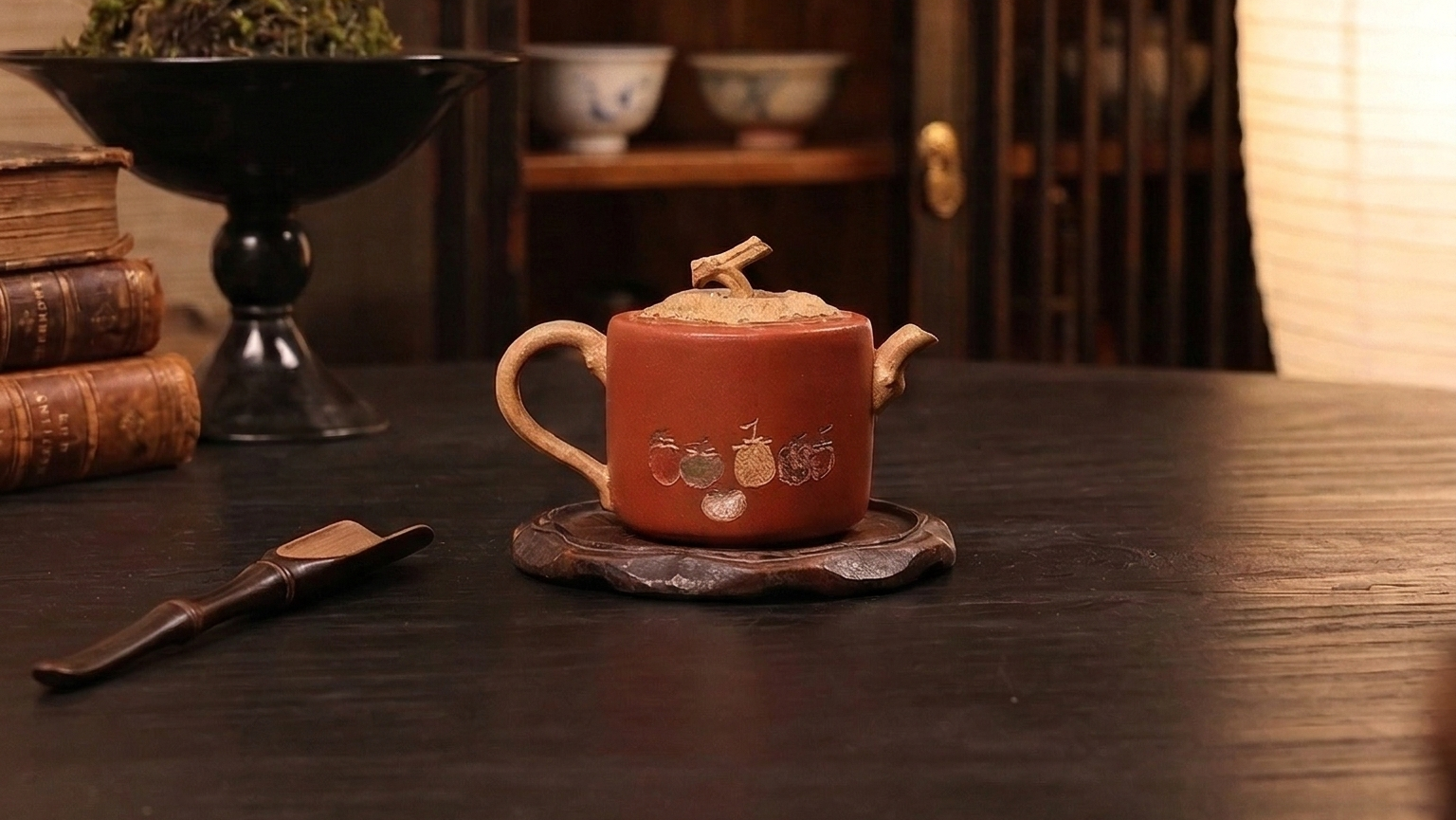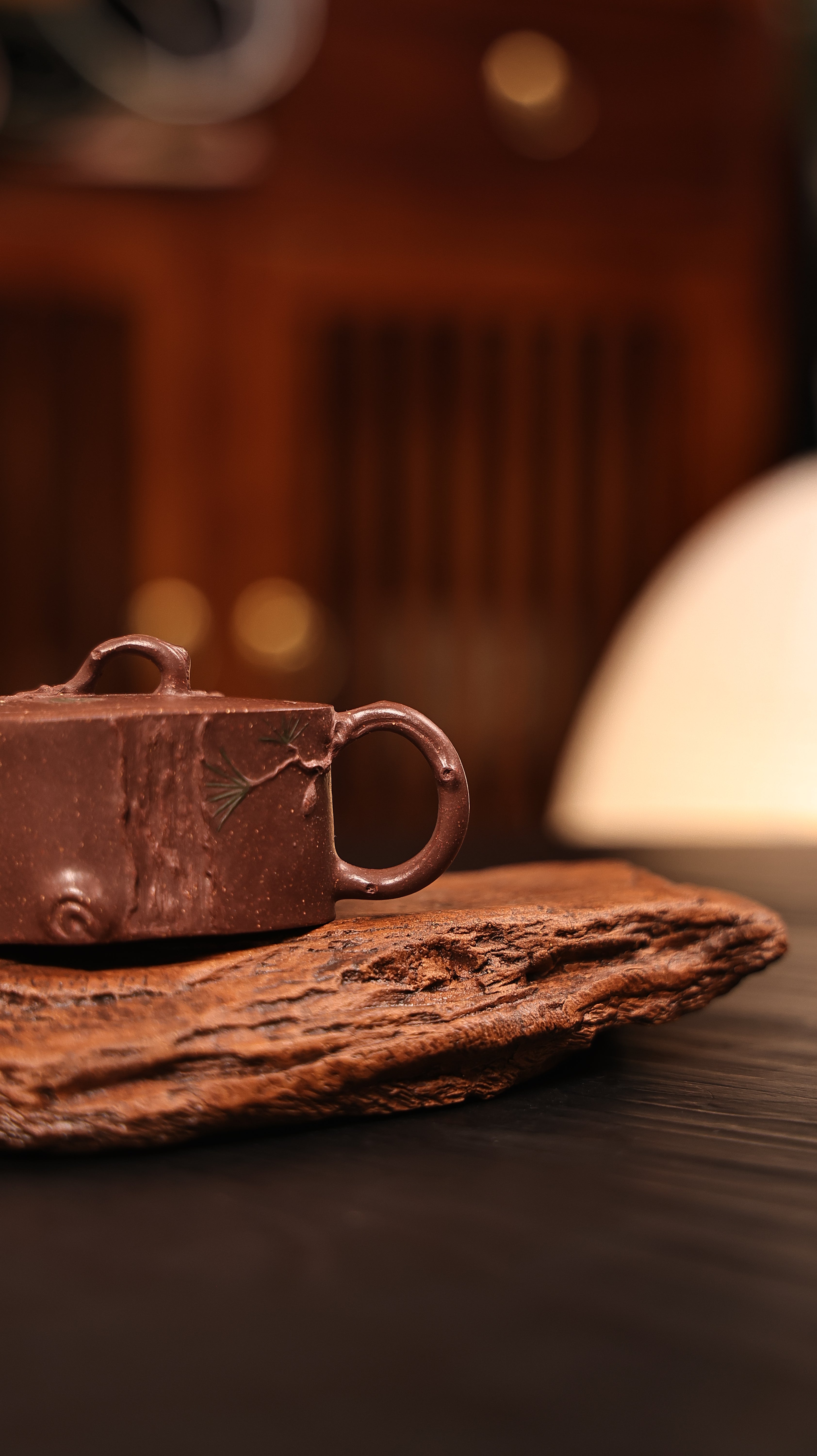
Beginning the extensive inspection concerning Issing Tzu-sha ceramic vessels delivers this engaging synthesis including dexterity plus utility.
Yixing Zisha teapots contain unique incomparable magnetism towards connoisseurs all over the world. Specific stunning terra cotta vessels, native from the singular Issing province within Jiangsu district, China, feature more than just teaware; they are considered works design beauty and legacy significance. A finely prepared clay, known referred to as Zisha, imparts a delicate flavor upon the tea, and the fancy designs, often casting traditional Chinese elements, boost their intrinsic value. Possessing a genuine Yixing Zisha teapot offers a satisfying journey, necessitating careful study and an awareness of the multiple factors influencing their singularity.
Learning about Yixing Ceramic Containers
宜兴 tea vessels boast a vibrant heritage deeply interwoven with Chinese culture. Originating in Yixing, Jiangsu division, these earthenware are crafted from a unique, porous purple clay found only in that special location. Their formation began during the Ming dynasty, with master craftsmen refining the processes over periods. Distinct types exist, including the classic Hexiang (resembling crab shells), Zhuni (red-brown hue), and Duan Ni (stone-studded) – each with distinctive properties. The importance of an Yixing earthenware pot isn't solely Yixing Zisha Teapot based on its size or adornment, but also on the artist’s reputation, the element's quality, and the pottery’s age and condition. Collectors often seek out older examples, believing they retain the taste of the infusion brewed within them over time, further adding to their renown.- Traditional Tea Containers
- Russet Tea Containers
- Duan Ni Earthen Pots
Zisha Teapot Mastery: Creation & Means
This formation of Zisha teapots represents a pinnacle of Chinese ceramic ability. Skilled artisans employ historic techniques, often passed down through heritage, to unlock the full capability of this unique clay. Practices involve meticulous molding by hand, often combined with the looping method, followed by precise firing at incredibly extreme temperatures in wood-fired kilns. Detailing is equally crucial; potters utilize native clay colors and may incorporate modeling work to depict intricate scenes or patterns, demonstrating a profound knowledge of the material’s traits and expressiveness. The completed teapot isn't merely a vessel for tea, but a testament to a lasting cultural heritage.
Ancient Earthenware: An Insight to Yi-hsing Tzu-sha
Discovering the world of Eastern teapots commonly kicks off with Yixing Zisha. These distinctive clay containers are constructed from a exclusive type of clay located only in the Yixing region of Jiangsu Province province. Recognized for its remarkable reddish-purple hue and exquisite aspects, Zisha clay delivers a subtle flavor to the brew and improves with age, evolving into a cherished keepsake. Gathering Yixing Zisha pottery is more than just keeping a elegant object; it’s a celebration of history and talent.
Surveying exclusive Zisha: Genuine Nature & Growth
Beginning the field of Yixing Zisha clayware can be utterly gratifying, but needs a discerning insight. Sincerity is indispensable; multiple counterfeits are available, routinely craftily constructed. Becoming knowledgeable about old-fashioned cooking procedures, exclusive terracotta traits, and the labels of respected makers is completely vital. On top of that, acknowledging the complexities of the rise pattern – influenced by aspects such as cultural bearing and the preservation of the article – is crucial to profitable assembling.
- Scrutinizing heating origins.
- Consulting authorities for confirmation.
- Comprehending auction variations.
This Skill of Brewing with a Ceramic Pot
This exclusive allure of a Zisha kit lies not just in its stunning appearance, but also in its profound impact on the character of the brew. These ancient clay ceramic pots, sourced from certain regions of China, possess a natural porosity that delicately interacts with the liquid and leaves, imbuing the elixir with a light character. Mastering the technique requires a diligent approach, understanding how the ceramic responds to multiplex thermal states and leaf types, ultimately leading to a actually rewarding brewing adventure.
Safeguarding A Relic
Proper attention of your Yixing teapot is vital to securing its quality. These distinctive teapots, crafted from special Yixing clay, develop a texture over time that augments their value. Often rinse the interior with pure water, avoiding soap, and never use coarse scrubbing tools. Occasional gentle rubbing with a plush cloth can aid in wiping away marks. Allow your kettle to properly dry prior to each preparation
Unlocking Clay: Secrets This Ceramic Pots Illustrate Special
The well-known appeal of Yixing teapots is sourced in the special properties of Earthenware clay, sourced solely near Yixing, that region. This noteworthy clay, recognized as ferruginous porcelain , contains a unique combination of compounds that, through use, soak up the bouquet of the liquids it contains. This creates a exclusive note for each brewer, allowing it a importance far exceeding its beginning price and supporting to their honored status among connoisseurs.
Discovering the Optimal Classic Clayware: A Stoneware Outline
Venturing into the world of Purple clay teapots can feel overpowering, but understanding the basics is vital to choosing a beloved piece. This type of clay, sourced chiefly from the Yixing zone, the Jiangsu zone, is acclaimed for its unique porosity and ability to improve the flavor of the liquor over stretch. Appraise the outline, the saturation, and the presentation; a bona fide Zisha teapot is more than just a jug; it's a handmade piece and a illustration of classic culture. Search for the stamp of the craftswoman for clues to its background and potential importance.