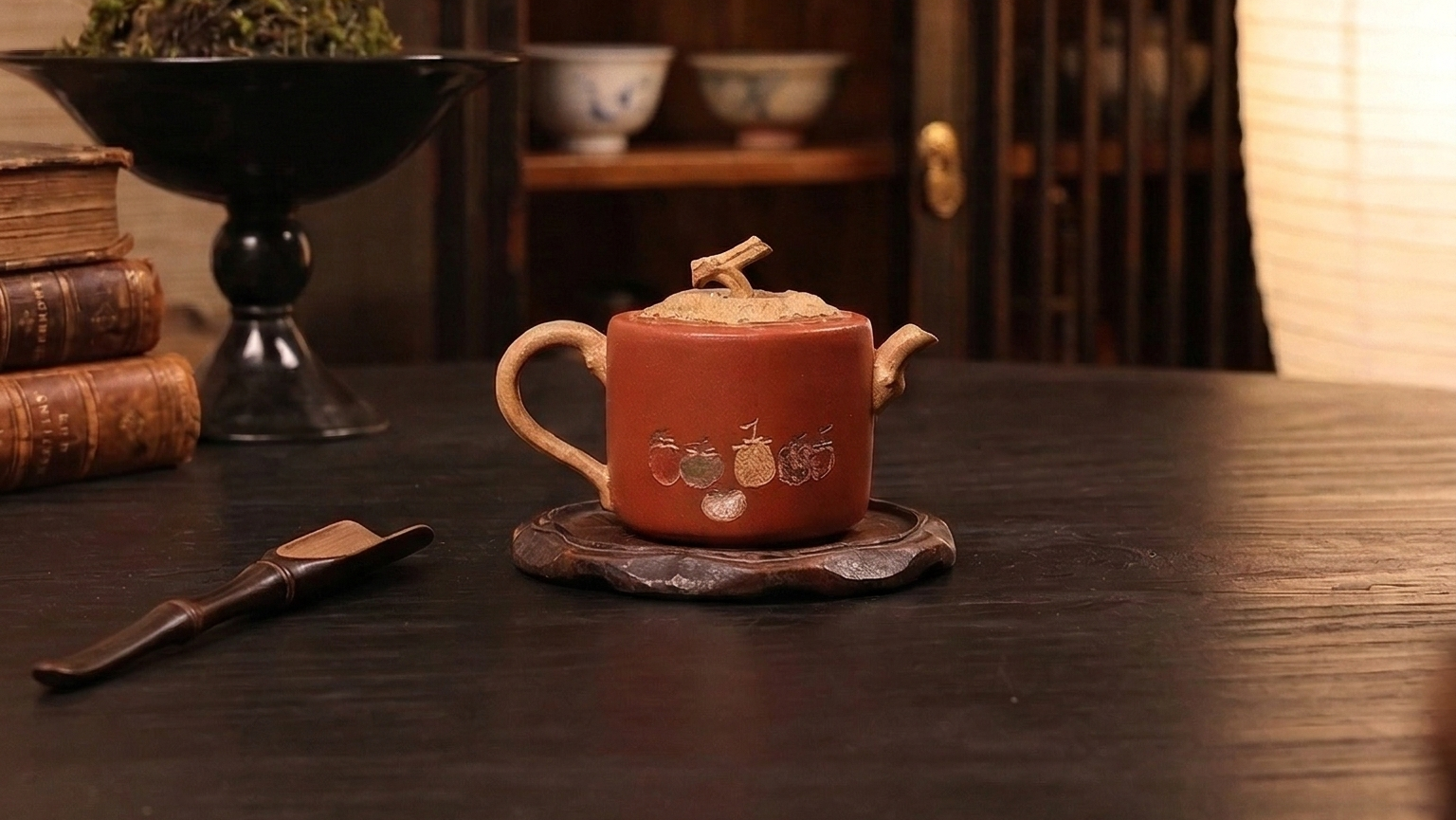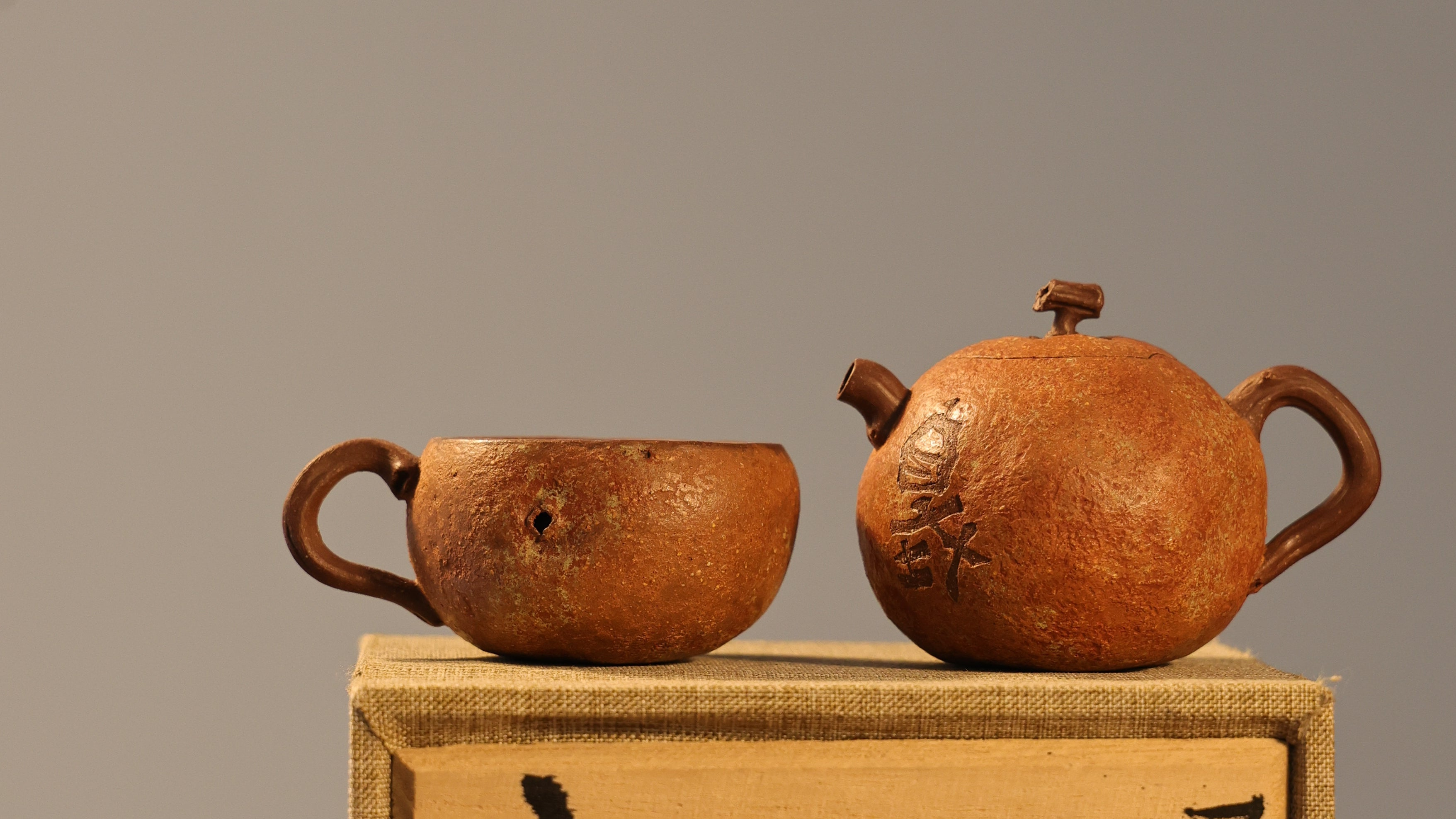
Opening the thorough review regarding Ising Tzu-sa clay vessels presents a captivating mixture between expertise combined with effectiveness.
Yi-hsing Tzu-sa ceramic kettles retain distinct incomparable fascination regarding devotees on a global scale. Distinguished amazing terra cotta vessels, native from the singular Yi-hsing province around Jiangsu area, China, represent more than just steeping vessels; they are esteemed as works creative beauty and heritage significance. Such finely graded clay, known as Zisha, imparts a understated flavor onto the tea, and the detailed designs, often showcasing traditional Chinese motifs, improve their built-in value. Obtaining a genuine Yixing Zisha teapot involves a rewarding journey, asking for careful investigation and an appreciation of the various factors influencing the uniqueness.
Exploring Yixing Tea Vessels
Ising vessels boast a rich chronicle deeply interwoven with Chinese customs. Originating in Yixing, Jiangsu province, these jugs are crafted from a unique, porous purple soil found only in that specific location. Their advancement began during the Ming period, with master creators refining the skills over generations. Assorted types can be seen, including the classic Hexiang (resembling crab shells), Zhuni Purple Clay Teapot (red-brown hue), and Duan Ni (stone-studded) – each with distinctive features. The significance of an Yixing pot isn't solely based on its size or trim, but also on the creator’s reputation, the clay's quality, and the pot’s age and condition. Buyers often seek out older examples, believing they imbibe the nuance of the elixir brewed within them over time, further adding to their desirability.- Antique Clay Pots
- Chestnut Clay Pots
- Rock-Decorated Clay Pots
Zisha Teapot Mastery: Craftsmanship & Procedures
Exclusive fabrication of Zisha teapots represents a zenith of Chinese ceramic skill. Professional artisans employ age-old techniques, often passed down through ancestry, to unlock the full quality of this unique clay. Processes involve meticulous modeling by hand, often combined with the coiling method, followed by precise heating at incredibly strong temperatures in wood-fired kilns. Embellishing is equally crucial; craftsmen utilize unprocessed clay colors and may incorporate sculpting work to depict intricate scenes or patterns, demonstrating a profound insight of the material’s capabilities and capability. The outcome teapot isn't merely a vessel for tea, but a testament to a valuable cultural legacy.
Ancient Pottery: An Insight to Ising Tzu-sha
Delving into the world of Oriental teapots routinely opens with Yixing Zisha. These unique clay pots are fashioned from a dedicated type of clay sourced only in the Yixing region of China's Jiangsu province. Celebrated for its exclusive reddish-purple hue and high-quality merits, Zisha clay provides a gentle flavor to the beverage and ripens with age, shaping into a cherished valued item. Collecting Yixing Zisha vessels is more than just having a stunning object; it’s a appreciation of culture and expertise.
Examining unique Stoneware: Authenticity & Appreciation
Venturing into the realm of Yixing Zisha ware can be truly fulfilling, but necessitates a discerning insight. Accuracy is paramount; many imitations exist, often deceptively made. Learning about classic kiln techniques, distinctive clay essences, and the stamps of esteemed creators is entirely fundamental. Besides, comprehending the details of the value trend – influenced by conditions such as antique weight and the appearance of the item – is paramount to advantageous buying.
- Examining kiln trajectory.
- Turning to professionals for verification.
- Appraising business movements.
A Process of Creating with a Purple Teapot
That singular allure of a Zisha teaware lies not just in its attractive appearance, but also in its important impact on the taste of the libation. These classical clay containers, sourced from special regions of China, possess a original porosity that mildly interacts with the substance and leaves, imbuing the cup with a subtle character. Mastering the approach requires a patient approach, understanding how the earth responds to varying heating regimes and foliage types, ultimately leading to a truly rewarding tasting journey.
Upkeeping A Asset
Proper upkeep of your Yixing brewing pot is critical to continuing its durability. These distinctive teapots, crafted from unique Yixing clay, exhibit a history over ages that increases their merit. Frequently rinse the inner area with clean water, avoiding soapsuds, and never use harsh scrubbing tools. Intermittent gentle washing with a gentle cloth can encourage in removing blemishes. Allow your carafe to thoroughly dry following each use
Revealing Earthenware: What These Brewing Vessels Become Exceptional
The distinguished appeal of Yixing teapots originates in the particular properties of Ceramic clay, found solely near Yixing, eastern China. This uncommon clay, recognized as ferruginous clay , displays a unique combination of compounds that, through use, soak up the bouquet of the liquids it contains. This creates a exclusive note for each brewer, allowing it a importance far above its beginning price and supporting to their honored status among connoisseurs.
Discovering the Optimal Oriental Earthenware: A Ceramic Outline
Venturing into the world of Purple clay teapots can feel overpowering, but understanding the basics is key to choosing a beloved piece. This type of clay, sourced chiefly from the Yixing zone, Jiangsu locality, is noted for its characteristic quality and ability to adapt the savor of the liquor over stretch. Assess the silhouette, the brightness, and the artistry; a bona fide Zisha teapot is more than just a urn; it's a decorative object and a manifestation of historic culture. Seek the inscription of the craftsman for clues to its history and potential worth.