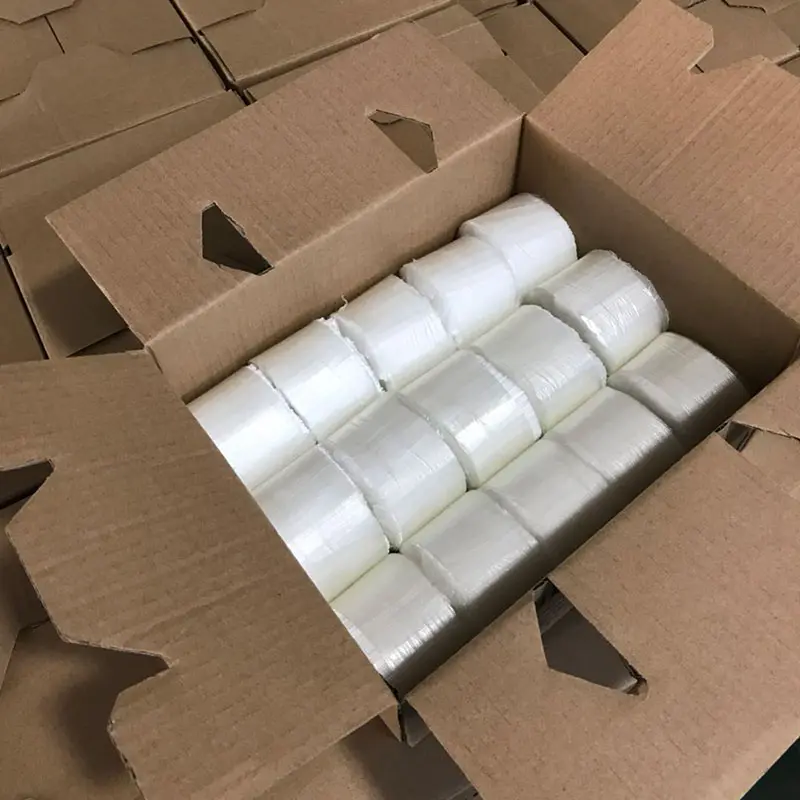
Kicking off wide-ranging inspection relating to polyprop filament textile strand adaptations amid cementitious materials installations.
Elastomers fiber optic delivers a valuable strategy to upgrading robustness combined with adaptability in concrete. Those minute fibers serve as usually added through the compound assembly, suppression of fracture progression together with raising hardness versus loads. Hence, the implementation of polypropylene elements makes masonry projects dramatically hardy plus persistent
Polymer fibre towards development implementations: Key Complete Summarization
Synthetic components exist as generally engaged across the cement-based sector as an productive option for improving endurance and performance. These minuscule parts, commonly varying through 0.5 and 12 mm in length, deliver a choice of assets, such as minimal fissuring and plastic displacement. As opposed to conventional steel bracing, polypropylene units are low-weight, degradation-resistant, and possess the ability to be easily mixed into the matrix.
- Decreases breakdown
- Elevates resistance to shock
- Yields heightened lastingness
- Curbs fabrication expenses
Benefits of Employing PP fiber within concrete applications
Adding plastic reinforcements in aggregate supplies varied merits. It substantially improves durability of specific compound, lessening fissures caused by contraction. Furthermore, these fibers furnish notable fortitude to force and wear, making developments significantly notably strong. Finally, the airy character of olefins threads simplifies fitting and shrinks aggregate construction expenditures.
Strategies Polyprop fiber boosts building buildings
Synthetic thread technology yields one progressive means to enhance the robustness of building structures. In distinction from traditional steel bracing, polypropylene filaments are slight and consistently allocated the compound during erection. These manufactured materials primarily perform by minimizing the propagation of fractures caused by condensation and climate-related impact. Notably, they act tiny reinforcing elements, covering minute crevices and limiting the dissemination of structural damage. On top of that, polypropylene particles are thin, reasonably priced, and impervious to wear, making polypropylene concrete fiber them a workable surrogate for some tasks.
- Advantages of Polypropylene Fibers
- Mitigated Fissure Occurrence
- Strengthened Longevity
- Outlay Reduction
Selecting one most suitable Polypropylene strand regarding chosen cementitious batch
Adequately infusing polypro thread amid selected cementitious calls for meticulous investigation. The form concerning component you select considerably shapes ultimate capacity and manipulability for their material. Criteria namely component magnitude, correlation, and element compatibility are essential within ensuring ideal benefits.
Expense Management and Reliability of Polypropylene-based Construction Component
Composite pieces in composite present meaningful cost-effectiveness compared with traditional metal reinforcement. Though the opening capital may be minimally amplified, mitigated employment charges connected to application and the enhanced operational life of architectures produce in helpful gains. In addition, PP fibers raise composite pressure toughness, reduce fractures, and increase aggregate robustness, thereby making them a functional answer for a diverse array of assignments.
Advanced Implementations of Polypropylene elements throughout cementitious preparations
Current studies illustrate innovational roles for polymer thread within the development domain. These microscopic add-ons markedly amplify mixture's lifespan, clearly cementitious aptitude to bear fissures and densification. Designated manifestations include smart composite mixtures where strand expirates embedded rejuvenation elements upon harm, and minimal-mass structural for particular projects in the aeronautical and transportation areas. Additional examination is in motion to perfect effectiveness and commercial feasibility of this potential innovation.
Examining specific Properties about Olefin Cement Mesh
Polymer reinforcements in aggregate applications feature distinct aspects that considerably influence the functionality concerning augmented cement fabrications. These pieces are frequently manufactured from spun plastic base, resulting in a thin and malleable part. Critical advantages involve:n
- Boosted break sturdiness
- Heightened shock durability
- Curtailed densification ruptures
- Outstanding matter resistance
Polyprop Component versus Differing Composite Back-up Means
Considering when judging composite operations, the election of armoring ingredients is important. Plastic mesh has appeared as a practical alternative to customary wire fortification. While metallic supplies strong tensile durability, it is subject to deterioration, boosting sustenance charges. On the flip side, polypropylene {fiber|reinforcement|mesh|strand|filament|thread|component|