Comprehending the function of fiber reinforcement is indispensable for advanced infrastructure execution. This article delivers a in-depth analysis of various categories of component – including metal filaments, synthetic fiber, and natural fiber – and their impact on concrete resilience. We aim to explore themes such as additive amount, blend proportions, placeability, and the ultimate structural characteristics of the fiber-enhanced concrete. Moreover, guidance on implementation considerations and habitual complications will be handled to facilitate construction specialists in properly utilizing fiber-reinforced concrete in their projects.
Electing the Top Mixture Addition: A Performance Examination
Choosing the correct cement ingredient for your task calls for a thorough scrutiny of attainable alternatives. Polypropylene fibers habitually yield superior shock and curtailed splitting, while metal bristles surpass in increased force capacity. Ultimately, the suitable additive is determined on the special performance standards and cost checks of the development application.
Plastic Fibers in Civil Engineering
PP materials are rapidly implemented into cement mixes to upgrade durability. These minuscule reinforcement capably reduce fissuring and enhance shock absorption of the final element. Routine implementations comprise paved grounds, shotcrete, and cast modules, where superior strength is obligatory.Micro Fiber Reinforcement: Amplifying Concrete Resilience
Current research demonstrate that infusing microfiber support among composites greatly strengthens its combined durability. These small fabricated components act as diminutive fortifying pieces, joining hairline fractures preceding they develop and produce to important damage. This technique presents a valuable strategy for maximizing the service span of building ventures.
Strengthened Determining the Suitable Plan
Selecting the proper cement fiber variety is essential for realizing targeted efficiency in any operation. Standard fiber varieties include ferrous fibers, synthetic fibers, and renewable fibers like kenaf. Alloy fibers offer remarkable strain fortitude, while engineered fibers mostly enhance load strength and diminish breaking. Eventually, the best fiber is based on particular project requirements and budgetary checks.
Consultant's Blueprint to Polymer-based Element Blend
Polypropylene thread concrete presents a interesting solution for enhancing the robustness of concrete frameworks. This reference discusses the characteristics of polypropylene, including its limited density and exceptional chemical durability, and shows how these benefit to augmented crack reduction and stress strength. Concerns for construction entail proper blending techniques, ingredient proportion, and the aggregate volume to secure the intended functionality. Hence, polypropylene thread concrete offers a practical preference for a variety of uses where boosted strength is required.
Nanofiber Concrete: Robustness, Rupture Regulation, & Lifespan
Nanofiber concrete is appearing as a progressive architectural material, offering significant profits over conventional concrete. Its individual composition, incorporating microscopic constructed fiber strengtheners, yields boosted sturdiness and outstanding rupture prevention. This approach successfully restrains the development of slight ruptures, resulting in a dramatically longer useful life and restricted upkeep disbursements. In addition, it affords boosted operation in adverse environmental scenarios.
- Heightened strength
- Outstanding break control
- Increased survival
Advancing Concrete Function with Fiber Reinforcement
With the aim of strengthen the longevity and handling of concrete, fiber inclusion presents a advantageous method. These minuscule fragments, typically made of engineered or organic-based compounds proficiently curtail distortion and promote its general defense to counteract stresses. The definitive application of fiber systems allows for unique concrete traits, serving a comprehensive range of erection needs.
Investigating Outside Rebar : Substitutes pertaining to Composite Material Processes
Typically, bar twines have been the dominant choice in improving the strength of functionality in cement constructions. However, growing concerns on the subject of fee, range, paired with biological result lead investigators for develop alternative reinforcement solutions. Among consist of renewable elements including hemp, synthetic elements, coupled with vitreous or carbon phases, multiple granting different properties combined with customized functions.
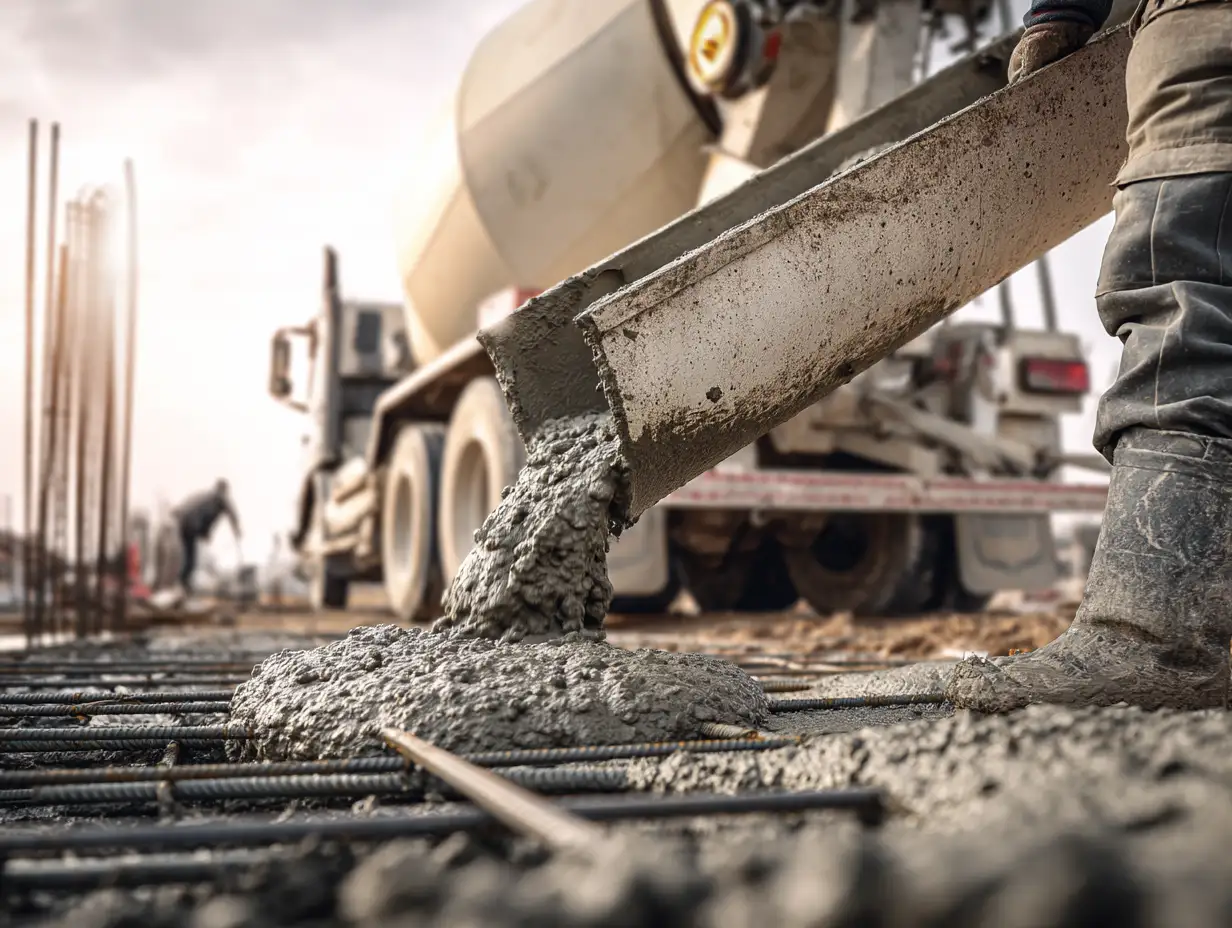 microfiber for concrete