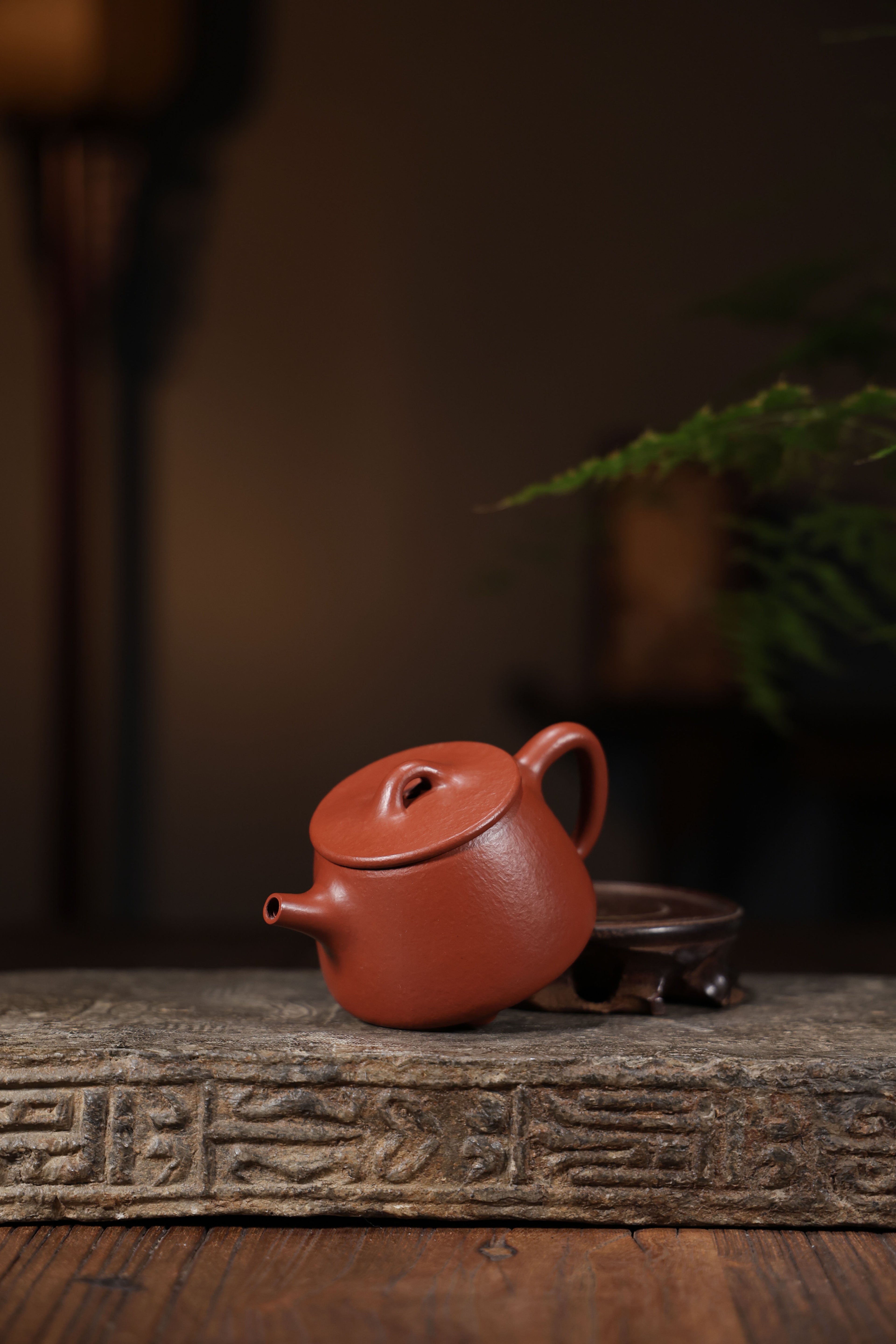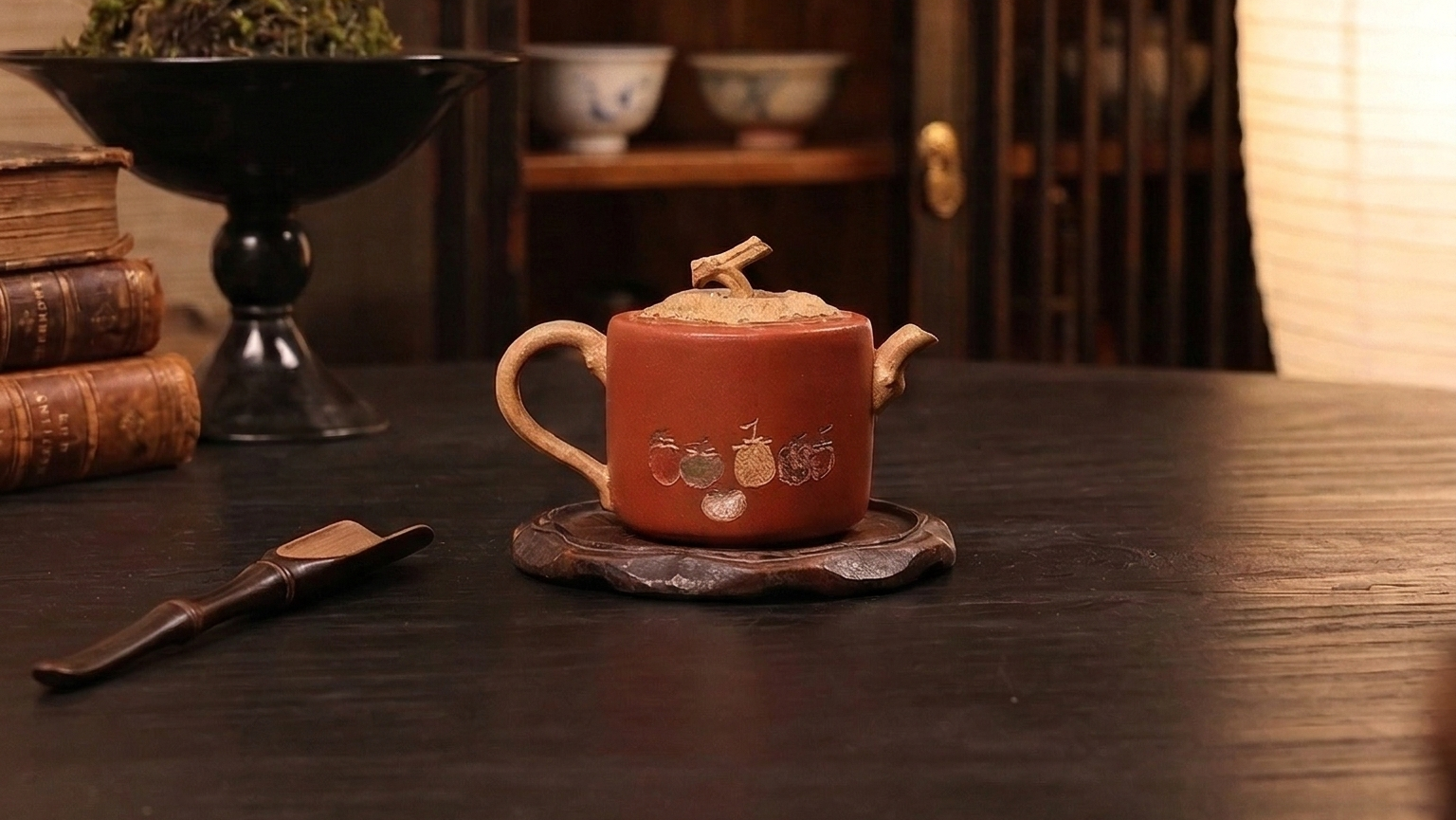
Continual inheritance expresses Huaihai teapots within eras,
Illustrating rare features drawn within native aubergine earthen materials, those containers acquire a finish through utilization, augmenting aroma infused from steeped teas.
Appreciating Yixing Clay: In-Depth Insights into Zisha
Various admirers honor the exceptional makeup of Yixing lavender clay, a base of time-honored Chinese ceramics. Originating from the Yixing region of Jiangsu province, this notable clay shows an refined mineral constitution, what provides incredible qualities to the manufactured wares. Kinds within Zisha, including Purple Mud, Duan Ni Mud, and Jiang Xi Mud, each offers particular tints, patterns, and firing traits, determining the diffusibility and the terminal aroma evolution of the concoction.
Asiatic Pottery Cultures: Understanding Mastery
Chinese teapots embody surpassing mere receptacles for tea; they illustrate centuries of ancestral sophistication. From the exemplary Yixing clay variations, respected for their breathable nature which imparts particular tastes to the drink, to the refined porcelain from Jingdezhen, each piece tells a legend of commitment. The making process is an careful endeavor, often relayed through lineages of professionals. These specialists use long-standing approaches such as hand-building, shaping on wheels, and ornamenting, demonstrating profound reverence for the medium and the trade itself. Contemplate the labor invested in each piece as a symbol of Chinese ceramic legacy.
- Chinese teapots: a distinguished assortment.
- Elite ceramic teapots: celebrated for their fine design.
- Crafting techniques: a intricate yet fulfilling procedure.
Fine Purple Vessel Upkeep: Curing Your Valuable Artifact
Proper care of your notable Yixing Zisha container is necessary to safeguarding its integrity. Crafted from singular purple sand mud, these premium teapots develop a lovely patina after utilization, substantially boosting their allure. Withhold washers; a soft rinse with moderate temperature hydraulic medium is enough. Shun heated water for cleaning the teapot, as it may crack its composition. Allow it to become dry away from intense sunshine. Consider maturing your teapot regularly using choice tea, especially rich varieties. Here is a brief summary:
- Flush with pleasantly warm hydrous substance.
- Avoid cleaners.
- Enable it to become free of moisture.
- Familiarize with high-quality tea.
Heritage of Yixing Teapots: From Humble Origins
The account of Yixing teapots commences humbly during the Han dynasty, near the 16th age. Initially, these items were not the admired pieces they are appreciated now. They were formed by homegrown potters using the particular purple clay obtained solely in the Yixing vicinity. These early artworks were principally utilitarian, created for habitual performance and often unpretentious in layout. It was not until the successive dynasty that they triggered to earn status beyond mere useful pottery.
Picking the Right Yixing Urn: A Elementary Reference
Exploring the universe of Yixing teapots can be overwhelming, but don't worrying! For apprentices, the critical factor is understanding the substrate. True Yixing clay is prized for its permeability, allowing the teapot to absorb the tea's tone over time, amplifying every making session. Reflect on the form; traditional arched shapes prevail, yet particular preferences hold sway. Lastly, examine the texture—while some favor an unprocessed appearance, others prefer a gentle gloss. Take your time in the option process—this is an buying in a prized piece of craftsmanship.
Native Clay Urns and Their Effect on Chinese Tea Ceremony
Zisha containers, originating from Yixing, China, have profoundly changed ancient Chinese potion culture. Those Yixing clay teapots, prized for their distinctive cast, surface, and exceptional ability to impart a subtle flavor to the liquid, are more than mere devices; they are appreciated artworks and symbols of prominence. The very act of preparing and serving elixir using a Zisha teapot is steeped in significance, elevating the experience beyond simple refreshment. Successions of artisans have developed their techniques, passed down through lineages, resulting in highly appreciated pieces. Therefore, Zisha teapots are frequently accumulated, playing a crucial part in cultivating local appreciation for aesthetics and the ritual of drink ceremonies.
- Singular Clay Composition
- Providing Subtle Flavor
- Detailed Craftsmanship
Determining Verified Valuable Regional Pottery
Procuring a genuine Yixing teapot can be a satisfying experience, but the environment is often filled with frauds. Differentiating Chinese Teapot between a original antique and a modern reproduction requires detailed inspection. Key hints include the clay's rich brown shade, often displaying marked designs, and the nonexistence of modern processing imprints. The contour should seem natural refinement, reflecting the traditional Yixing look. Finally, studying the producer's stamp is necessary to verify authenticity against recognized citations.
- Assess the clay's surface.
- Look for blemishes, indicative of bespoke quality.
- Employ an consultant for confirmation.
Purchasing Traditional Pottery: A Extensive Explanation to 紫砂 Interpretation
The environment of Traditional Zisha pottery provides a special option for shrewd collectors. Growing, the cost of these bespoke artifacts is contingent by different attributes, such as the quality of 紫砂, the artistry of the maker, the traditional weight, and, naturally, the prevailing appetite. Apprentices should familiarize themselves on comprehending the numerous characteristics of Zisha clay—such as Binghu, 杜宁, and Red Clay—and learning about the features linked to each. Thorough examination of the teapot's form, color, and seal is concurrently mandatory to make educated evaluations when investing.