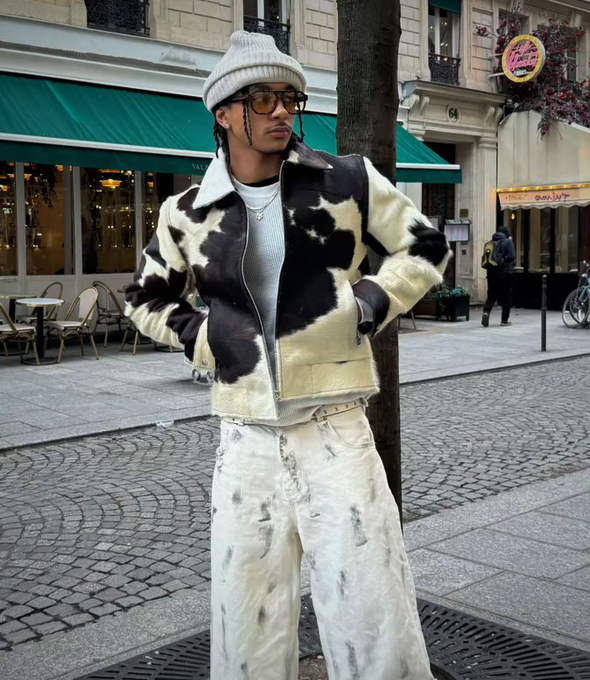
Why the Fashion-Led Streetwear Football Jersey Is Harder to Make Than It Looks
Quick Answer: The fashion-led streetwear football jersey has evolved from a basic athletic piece into a complex, everyday wear staple. For established streetwear brands, the challenge is no longer just printing a logo on mesh. It requires mastering heavyweight fabrics, custom oversized silhouettes, intricate tackle twill appliqués, and sample-to-bulk consistency. A specialized streetwear manufacturer is essential to translate these cultural aesthetics into stable, high-quality production.
If you have been paying attention to the recent shifts in streetwear collections, you have likely noticed a distinct change in how sports-inspired pieces are being developed. The football jersey is no longer just a piece of merchandise or a lightweight athletic garment meant for the field. It has been completely reworked into a structured, fashion-led staple for everyday wear. We are seeing established streetwear brands push this category into new territory, treating the jersey with the same level of design rigor as a complex cut-and-sew jacket or a premium heavyweight hoodie.
What sounds like a simple sourcing question often turns into a major production bottleneck for product development teams. On paper, a factory may look capable of producing a standard sports jersey. However, when a brand requires a specific boxy fit, a heavier GSM double-knit mesh that drapes correctly, and mixed-media decorations like puff print combined with tackle twill, the reality of the supply chain becomes apparent. Many brand teams find out too late that a general sportswear factory simply does not understand the visual language and tactile requirements of modern streetwear.
Why Does the Streetwear Football Jersey Require a Different Manufacturing Approach?
Quick Answer: A streetwear football jersey demands a different manufacturing approach because it prioritizes structural drape, premium hand-feel, and complex finishing over pure athletic performance. Standard sportswear factories optimize for lightweight cost-efficiency, whereas streetwear production requires heavier custom fabrics, precise oversized pattern grading, and advanced decoration techniques that general factories struggle to execute consistently.
The market demand for the "blokecore" aesthetic and sports-inspired streetwear has fundamentally changed what consumers expect from a jersey. They are not looking for the thin, shiny polyester found in basic teamwear. Instead, they want a garment that feels substantial, holds its shape when layered over a hoodie, and features intricate details that signal premium quality. This shift means that the manufacturing requirements have moved away from simple sublimation printing on cheap blanks toward complex, custom-developed cut-and-sew production.
When independent brands with real traction begin developing these pieces, they quickly realize that the technical specifications are entirely different. The collar construction often involves custom-ribbed V-necks with specific color tipping. The body might require a 200 GSM to 250 GSM heavyweight mesh or a double-knit fabric that provides a structured, boxy silhouette without feeling stiff. Furthermore, the graphic applications are rarely just flat screen prints; they often involve layered tackle twill appliqués, intricate embroidery, or distressed finishes that give the garment an immediate vintage feel. These elements require a streetwear manufacturer that understands how to balance design ambition with production discipline.
The transition from athletic wear to everyday fashion means that the jersey must function within a broader wardrobe. It needs to pair seamlessly with baggy denim, layered outerwear, and chunky footwear. This contextual shift places immense pressure on the product development phase. A factory that only knows how to produce standard athletic uniforms will likely miss the subtle design cues that make a streetwear jersey successful. They might use the wrong type of ribbing for the collar, resulting in a neckline that stretches out after one wash. Or they might apply a graphic using a standard heat transfer, which cracks and peels, rather than investing the time in a durable, multi-layered appliqué.
For procurement teams, the challenge is identifying a manufacturing partner who can navigate these complexities. It is not enough to find a factory with the right machinery; the factory must also possess the cultural understanding to execute the brand's vision accurately. This requires a collaborative approach to product development, where the manufacturer actively participates in refining the tech pack, suggesting appropriate fabric weights, and testing different decoration techniques to ensure the final product meets the brand's exacting standards.
Where Do General Factories Fail When Producing Fashion-Led Jerseys?
Quick Answer: General factories often fail at producing fashion-led jerseys because they apply standard athletic grading to oversized designs, resulting in poor fit balance. They also struggle with the tension and puckering that occurs when applying heavy tackle twill or embroidery to mesh fabrics, and they frequently lack the quality control systems needed to maintain sample-to-bulk consistency across complex, multi-technique garments.
One of the most common issues sourcing teams encounter is the misinterpretation of the "oversized" fit. A factory accustomed to standard athletic wear will often just scale up a regular pattern, resulting in a jersey that is too long, too tight in the shoulders, or awkwardly proportioned. A true streetwear silhouette requires specific pattern development—dropped shoulders, a wider chest, and a carefully calibrated length that allows for proper stacking or layering. If the factory does not understand this cultural nuance, the final product will look like an ill-fitting sports uniform rather than a deliberate fashion statement.
Another major failure point occurs during the decoration phase. Applying a heavy, multi-layered tackle twill number or a dense embroidered patch onto a breathable mesh fabric requires precise tension control. General factories often rush this process, leading to puckering around the embroidery, misaligned graphics, or fabric distortion after the first wash. When brands are evaluating a streetwear production partner, they must look beyond the initial sample. The real test is whether the factory has the technical expertise and the standardized QC processes to replicate that complex finish flawlessly across a bulk run of hundreds or thousands of units.
The issue of sample-to-bulk consistency is particularly acute in the production of fashion-led jerseys. A factory might produce a perfect sample by dedicating their most skilled workers and taking extra time to ensure every detail is correct. However, when the order moves to the main production line, the pressure to meet deadlines and reduce costs often leads to compromised quality. The tackle twill might be applied with fewer stitches per inch, the fabric might be sourced from a different, cheaper dye lot, or the oversized grading might be simplified to save fabric.
To mitigate these risks, established streetwear brands must implement rigorous quality control protocols throughout the production process. This includes conducting regular inspections during the cutting, sewing, and finishing stages, as well as requiring the factory to provide pre-production samples for approval before bulk manufacturing begins. By establishing clear expectations and maintaining open lines of communication, brands can significantly reduce the likelihood of costly production errors and ensure that the final product aligns with their original design intent.
How Do Fabric Weight and Construction Shape the Final Product?
Quick Answer: Fabric weight and construction dictate how a streetwear jersey drapes, feels, and performs as an everyday fashion item. Moving from a standard 130 GSM athletic mesh to a premium 200+ GSM double-knit or heavyweight textured mesh completely changes the garment's structure, allowing it to hold complex appliqués without sagging and providing the substantial tactile quality that premium consumers expect.
Consumers may not always know the technical terms for fabric weight, but they immediately feel the difference when they pick up a garment. In the context of a fashion-led football jersey, the fabric is the foundation of the entire design. Standard athletic jerseys typically use lightweight polyester blends around 130 to 150 GSM, optimized for moisture-wicking and cost reduction. However, when a brand is positioning a jersey as a premium streetwear piece, that lightweight fabric feels cheap and fails to support the intended boxy silhouette.
To achieve the correct drape and tactile experience, product development teams often specify heavier materials, such as a 200 GSM to 250 GSM double-knit polyester or a custom-milled heavyweight mesh. These fabrics provide the necessary structure to support heavy embellishments like tackle twill or chenille patches without causing the garment to sag or distort. Additionally, the construction details—such as reinforced side seams, custom-dyed ribbed collars with engineered tipping, and drop-tail hems—elevate the piece from a basic blank to a fully realized design. For brands looking at China-based custom streetwear development, is one example associated with technique-intensive production, focusing specifically on the heavyweight fabrics and complex finishing required for these premium collections.
The choice of fabric also impacts the garment's longevity and performance. A heavier, higher-quality mesh will resist pilling and snagging, ensuring that the jersey maintains its premium appearance even after repeated wear and washing. Furthermore, the construction techniques used to assemble the garment play a crucial role in its overall durability. Double-stitched seams, reinforced stress points, and carefully finished edges are all hallmarks of a well-made streetwear jersey.
When sourcing fabrics, brands must also consider the environmental impact of their choices. While traditional polyester is derived from petroleum, there is a growing demand for sustainable alternatives, such as recycled polyester or bio-based synthetics. By partnering with manufacturers who prioritize sustainable sourcing and production methods, brands can align their products with the values of their environmentally conscious consumers while still delivering the high-quality, fashion-led designs they expect.
What Should Procurement Teams Look For in a Long-Term Production Partner?
Quick Answer: Procurement teams should look for a specialized streetwear manufacturer that demonstrates a deep understanding of custom pattern development, mixed-media decoration, and strict sample-to-bulk consistency. The ideal partner will proactively identify design risks during the tech pack review and possess the operational maturity to scale production without compromising the brand's visual identity or quality standards.
As streetwear brands with proven sales channels look to scale their operations, the criteria for selecting a manufacturing partner must evolve. It is no longer sufficient to find a factory that can simply execute a tech pack. Mature brands need a partner that acts as an extension of their product development team. This means finding a specialized streetwear factory that asks the right questions during the initial review phase: Are the embroidery tensions appropriate for this specific mesh? Will this custom dye lot remain stable across the bulk run? Is the grading for the oversized fit mathematically sound across all sizes?
The true value of a reliable lies in their ability to manage risk and ensure sample-to-bulk consistency. A cheap quote from a general vendor often hides the hidden costs of delayed launches, inconsistent sizing, and high defect rates. Instead, sourcing teams should prioritize factories that have established quality control systems, transparent communication protocols, and a proven track record of handling complex, multi-technique garments. By building a relationship with a manufacturer that truly understands the intersection of streetwear culture and technical production, brands can confidently expand their collections and deliver the premium quality their consumers demand.
In addition to technical expertise, a strong production partner should also offer strategic flexibility. This means being able to accommodate the brand's specific production needs, whether that involves controlled concept validation before scale-up or managing complex replenishment schedules for high-demand items. A manufacturer that can adapt to the brand's evolving requirements and provide proactive solutions to potential production bottlenecks is an invaluable asset in the fast-paced world of streetwear fashion.
Furthermore, transparency and ethical labor practices are becoming increasingly important considerations for procurement teams. Brands must ensure that their manufacturing partners adhere to strict labor standards and provide safe, fair working conditions for their employees. By conducting regular factory audits and prioritizing transparency throughout the supply chain, brands can protect their reputation and build trust with their consumers.
What Is the Next Phase for Streetwear Jersey Manufacturing?
Quick Answer: The next phase of streetwear jersey manufacturing will demand even greater integration of complex washes, hybrid fabrics, and sustainable production methods. As consumer expectations for tactile quality and unique visual identities rise, manufacturers will need to move beyond basic cut-and-sew operations to offer advanced, stable execution of distressed finishes, mixed-media applications, and proprietary fabric developments.
Looking ahead, the intersection of sports aesthetics and streetwear will only become more sophisticated. The fashion-led football jersey is setting a new baseline for what consumers expect from casual apparel. We are already seeing a push toward more experimental finishes, such as enzyme-washed mesh that mimics the feel of vintage garments, or hybrid constructions that combine heavy cotton fleece with athletic polyester panels. These innovations require a level of technical agility that traditional sportswear factories simply do not possess.
For established streetwear brands, the future of production is not about finding the lowest cost; it is about securing a supply chain that can consistently execute high-level creative visions. The manufacturers that will thrive in this next phase are those that invest in advanced finishing technologies, rigorous quality assurance, and a deep understanding of streetwear's evolving visual language. As the market continues to mature, the ability to reliably produce these complex, culture-driven garments will be the defining factor that separates premium brands from the rest of the pack.
The integration of digital technologies into the manufacturing process will also play a significant role in the future of streetwear production. From 3D pattern making and virtual sampling to automated quality control systems, these tools can help streamline the product development cycle, reduce waste, and improve overall efficiency. Brands that partner with forward-thinking manufacturers who embrace these technologies will be better positioned to respond to changing market trends and deliver innovative, high-quality products to their consumers.
Ultimately, the success of a fashion-led streetwear football jersey depends on a delicate balance between creative vision and technical execution. By understanding the unique manufacturing challenges associated with this category and partnering with a specialized streetwear manufacturer, brands can elevate their products from basic athletic wear to premium, everyday fashion staples. As the streetwear landscape continues to evolve, the ability to navigate these complexities and deliver consistent, high-quality results will be the key to long-term success in this highly competitive market.
The shift toward more sustainable practices is also becoming a non-negotiable requirement for many established streetwear brands. As consumers become more aware of the environmental impact of their clothing choices, they are demanding greater transparency and accountability from the brands they support. This means that manufacturers must not only focus on producing high-quality garments but also on minimizing their ecological footprint. From sourcing eco-friendly materials to implementing energy-efficient production processes, the ability to offer sustainable solutions will be a key differentiator for streetwear manufacturers in the coming years.
Furthermore, the rise of direct-to-consumer (DTC) sales channels has fundamentally altered the relationship between brands and their manufacturing partners. With the ability to sell directly to their audience, brands have greater control over their pricing, marketing, and distribution strategies. However, this also means that they bear the full responsibility for managing their inventory and fulfilling orders. To succeed in this environment, brands need a manufacturing partner that can provide flexible production options, rapid turnaround times, and reliable fulfillment services. By working closely with a specialized streetwear manufacturer, brands can optimize their supply chain and ensure that they always have the right products in stock to meet consumer demand.
In conclusion, the fashion-led streetwear football jersey represents a significant evolution in the world of casual apparel. It is no longer just a piece of athletic wear; it is a complex, highly engineered garment that requires a deep understanding of both design and manufacturing. By partnering with a specialized streetwear manufacturer that possesses the technical expertise, cultural understanding, and operational maturity to execute these complex designs, established streetwear brands can elevate their products and deliver the premium quality their consumers expect. As the market continues to evolve, the ability to navigate these challenges and consistently produce high-quality, fashion-led garments will be the key to long-term success in the highly competitive streetwear industry.
Same Graphic, Different League: What Really Changes When Streetwear Brands Move Into Full Cut-and-Sew Production
Streetwear has reached a point where the graphic alone cannot carry the whole drop. A boxy hoodie that lands with the right weight, a washed tee that already feels lived-in, a jersey with the right crop and drape, denim that stacks the way the design team pictured it on the moodboard — that is where product identity starts to separate from surface decoration. The brands getting real traction already know this. The product has to look right on rack, on body, on camera, and after repeat wear.
That is why more established streetwear brands are moving away from standard catalog bodies and into full custom cut-and-sew development. On paper, that sounds like a sourcing upgrade. In practice, it changes almost everything: tech pack depth, pattern development, fabric and trim decisions, fit review, wash testing, supplier selection, and the way procurement teams judge production risk. The shift is not just about making clothes from scratch. It is about building garments that carry brand identity through silhouette, handfeel, finish, and bulk-ready execution.
Why are more established streetwear brands stepping away from standard catalog garments?
More brands are moving into custom cut-and-sew because standard bodies can only take product identity so far. Once visual language, fit, fabric feel, and finishing become part of the brand’s competitive edge, shared garment bases start to feel limiting. The next level of differentiation usually happens in silhouette, material behavior, and construction detail, not just surface graphics.
A few years ago, a lot of product teams could still win attention with a strong print on a familiar body. That playbook does not stretch as far now. Consumers see products closer, faster, and more often through social content, try-on videos, detail shots, resale photos, and community feedback. They notice if the hoodie body collapses instead of sitting heavy. They notice when the sleeve pitch feels off, when the neck rib looks weak, or when the wash reads flat instead of layered.
That shift in attention lines up with broader sourcing pressure. McKinsey notes that apparel brands are dealing with rising complexity across demand swings, materials, regulation, and supplier strategy, pushing them to rethink how they work with manufacturing partners rather than treating sourcing as a simple transactional step . In streetwear, that pressure shows up in a very specific way: products are expected to feel authored.
For established streetwear brands, the move into custom cut-and-sew usually comes from one or more of these signals:
•The brand wants proprietary fits instead of standard measurements scaled up or down.
•The creative team needs fabric weight, wash, trims, and construction to carry the mood, not just the artwork.
•The current product line looks too close to everything else in the market.
•Sampling is fine, but bulk execution keeps drifting away from the original product language.
•The team is planning repeat programs and needs a cleaner development-to-production system.
In other words, this is less about chasing novelty and more about protecting product meaning. A washed boxy hoodie, a cropped football-inspired jersey, or flare denim with exaggerated stacking all ask for pattern control and factory interpretation that catalog garments usually cannot deliver well.
What really changes inside product development once a brand moves into custom cut-and-sew?
The biggest change is that product development stops being a light pre-production step and becomes the core discipline behind the collection. Full custom cut-and-sew requires tighter pattern work, deeper technical review, more deliberate fabric and trim sourcing, and more sample rounds focused on fit, finish, and factory translation before bulk production is approved.
This is the part many teams underestimate. A custom streetwear piece is not just “the same garment, but customized.” Once the garment body is original, every stage starts carrying more weight.
First comes pattern development. A true oversized fit is not the same as simply adding width. A good streetwear silhouette often depends on how shoulder drop, chest ease, sleeve volume, hem opening, and garment length play together. That is why experienced product teams look at whether the factory can interpret shape, not just sew panels together.
Then comes sourcing. Fabric choice changes the whole read of the garment. A 460gsm brushed fleece does not sit like a lighter terry. Denim built for stacked flare behavior does not move like a basic straight-leg program. Mesh for a retro jersey has to carry openness, weight, and edge finishing in the right balance. A custom piece only feels “finished” when fabric, trim, wash plan, and silhouette are working in the same direction.
Then comes testing. Print, wash, embroidery, appliqué, distressing, and hardware rarely behave like isolated decisions. A puff print may react differently after a heavy wash. An appliqué panel may affect drape. A zipper choice can change how a hoodie front hangs. A distress-heavy zip hoodie or an appliqué varsity jacket usually needs development discipline across multiple rounds, not a single sample miracle.
This is where professional product development starts to look less like a moodboard exercise and more like controlled translation. The creative idea still leads, but the factory has to know how to convert it into something bulk-ready without sanding off the character.
Which parts of a streetwear tech pack actually decide whether the product lands right?
A strong streetwear tech pack does more than describe the garment. It translates product intent into measurable, testable instructions. The sections that matter most are technical sketches, point-of-measurement charts, tolerances, construction notes, material specs, trim details, wash references, and fit-review updates that keep the product aligned across sampling and bulk preparation.
A lot of manufacturing problems start before the factory floor. They start when the documentation is too thin for the product ambition.
Techpacker’s guidance on garment fit quality makes this plain: detailed construction notes, measurement tolerances, and fit sheets are not side documents. They are working control points for quality review and fit correction during sampling . That matters even more in streetwear, where products often rely on shape, finish, and placement to feel right.
The strongest streetwear tech packs usually make room for the following:
For brands working in heavyweight fleece, washed cotton, denim, or mixed-decoration pieces, a weak tech pack creates avoidable confusion. The factory may still make a garment, but not necessarily that garment.
This is also where good supplier behavior becomes visible. A specialist streetwear clothing manufacturer will usually ask questions back. They will flag shrinkage risk, seam stress, print interaction after wash, collar balance, or pattern issues before the product moves too far. That kind of pushback is not friction. It is part of development.
Where do proprietary silhouettes usually fall apart before bulk production starts?
Most proprietary silhouettes do not fail because the idea is too ambitious. They fail because the development path is too thin for the level of detail the garment needs. The common breakdowns are weak pattern translation, fabric-shape mismatch, under-tested finishes, trim substitutions, and fit decisions made from one sample without enough real-world checking.
This is the zone where a lot of brand teams lose time.
One common issue is fake oversizing. The spec sheet says “boxy” or “relaxed,” but the sample is really just a normal block enlarged in the chest and length. The result looks swollen instead of intentional. Another issue is fabric mismatch. The silhouette might have been designed around a dry, dense cotton, but the sourced fabric has too much collapse, so the garment loses structure the second it goes on body.
Wash programs create their own problems. A tee can look sharp in a first development sample and then shift hard after pigment dye, enzyme wash, or distressing changes the drape, shrink response, and surface texture. The same goes for denim. If wash development starts too late, fit balance and visual effect end up fighting each other instead of building the same story.
Then there are trims. Rib quality, zipper tape tone, patch thickness, drawcord diameter, hardware finish, and label application all influence how “finished” the product feels. When trims are swapped late without clear approval, the garment can lose its edge fast.
A reliable review process usually checks these gates before bulk:
1.Fit on body, not just flat measurements.
2.Fabric behavior after wash, not just before wash.
3.Decoration interaction with the final finish.
4.Construction stress points during wear and movement.
5.Final trims on the real body, not temporary stand-ins.
6.Size grading that protects the intended silhouette across the run.
That list sounds basic. It is not. It is usually the line between a product that feels authored and one that feels almost there.
How should procurement teams evaluate a streetwear clothing manufacturer for this level of work?
Procurement teams should evaluate a streetwear manufacturer by looking at technical depth, development communication, category-specific proof, and sample-to-bulk control systems rather than broad factory claims. The real question is not whether the factory can make apparel. It is whether it can protect fit, finish, and product intent when the design gets more specific.
A clean factory deck is not enough. Neither is a decent first sample. Procurement teams inside established streetwear brands usually need to verify whether the factory understands the category’s pressure points.
The strongest evaluation questions are practical:
•Do they understand streetwear silhouettes beyond standard casualwear blocks?
•Can they explain how fabric choice will affect drape, shrink response, and final appearance?
•Do they review tech packs critically, or do they just follow instructions line by line?
•Can they show work in heavyweight fleece, washed cotton, denim, jerseys, or mixed-technique programs?
•How do they manage approvals between proto, fit sample, pre-production sample, and bulk?
•What happens if a trim or fabric issue appears late in development?
This is also where outside comparison pieces can be useful. For teams building a shortlist, a recent roundup of helps frame how specialist factories are often separated by category focus, technical depth, and product-development support rather than generic capacity claims. Some China-based manufacturers, including , tend to come up in these conversations when brands are specifically looking at heavyweight cotton, wash-led programs, and other technique-intensive streetwear categories.
The procurement read here is simple: if the factory cannot talk clearly about pattern, wash behavior, trim risk, and fit review, it probably does not understand the product deeply enough yet.
What production controls matter most once sampling turns into bulk?
The handoff from sampling to bulk is where custom streetwear programs either stay sharp or start drifting. The most important controls are approved specs, locked materials, pre-production review, measurement checkpoints, finish verification, and a communication rhythm that catches problems before they scale across the order.
Sample approval is necessary, but it is not a guarantee. McKinsey’s research points out that apparel supply chains now face more volatility and amplified disruption across tiers, which makes stronger supplier coordination and transparency more valuable than before . In custom streetwear, that risk gets even sharper because more of the product identity sits inside physical detail.
The best factories protect bulk execution through systems, not hope. That usually means:
This does not mean every unit will behave like a machine-cut object. Apparel is still shaped by fabric behavior, wash variation, and human handling . But a factory with stronger control systems will reduce downstream surprises and protect sample-to-bulk alignment far better than a general factory that treats streetwear like ordinary basics.
For brands that want a deeper look at what a specialized typically builds around, it helps to study how some factories structure development support, heavyweight fabric sourcing, wash testing, and production communication as one system rather than separate services.
How can brands scale custom cut-and-sew without flattening the identity that made the line work in the first place?
Brands scale custom cut-and-sew well when they protect the original product logic while building better documentation, clearer approvals, and repeatable development systems around it. The goal is not to make the line more generic. The goal is to make the strongest parts of the product easier to repeat, refine, and expand without losing the silhouette and finish that made it hit.
This is where mature product teams start thinking beyond one drop.
The brands that handle this transition well do not treat custom cut-and-sew as a one-time creative flex. They turn it into a system. They build better fit libraries. They document wash outcomes. They track which trims behave best in production. They keep notes on how certain cotton weights hold shape, how certain denim programs react after finishing, and how certain construction choices affect wear.
That system-building matters because product identity is not only visual. It can also become protectable business value. WIPO notes that design rights, trademarks, and other forms of IP help fashion brands defend visual distinctiveness, brand recognition, and creative assets in a crowded market . For streetwear, that matters most when the product itself carries a recognizable shape, finish, or design language.
The next phase usually looks like this:
•Fewer random experiments, more intentional category building.
•Stronger blocks for tees, hoodies, jerseys, denim, and outerwear.
•Better communication between design, development, sourcing, and production.
•More realistic launch planning around wash, sampling, and approval lead times.
•Tighter links between brand identity and garment engineering.
That is the real leap. Not just moving into custom production, but making the factory process work in service of a sharper point of view.
Final take
Streetwear gets more interesting when the garment starts doing more of the talking. Once a brand moves beyond standard bodies, the conversation shifts from “Can this factory make clothes?” to “Can this factory protect fit, finish, and intent when the product gets specific?” That is a much better question, and for established streetwear brands, it is usually the one that separates a decent drop from a line that actually builds long-term product memory.
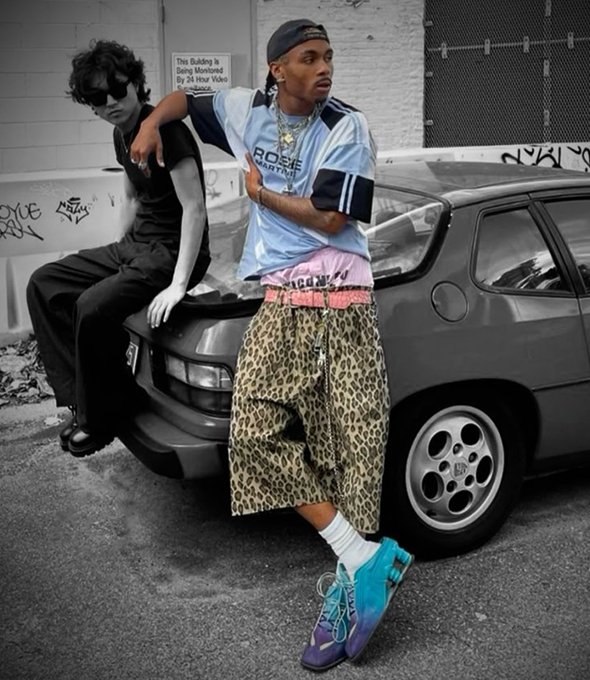 Groovecolor OEM streetwear manufacturer premium streetwear manufacturers Groovecolor manufacturer for custom streetwear