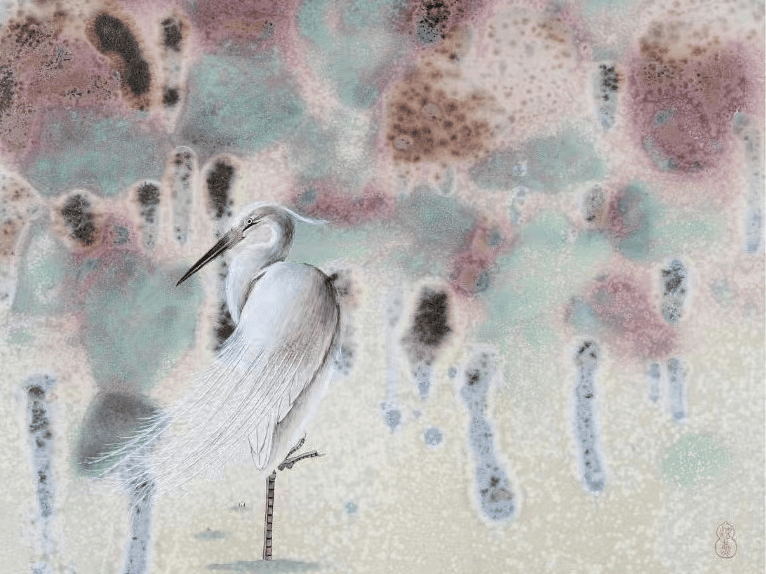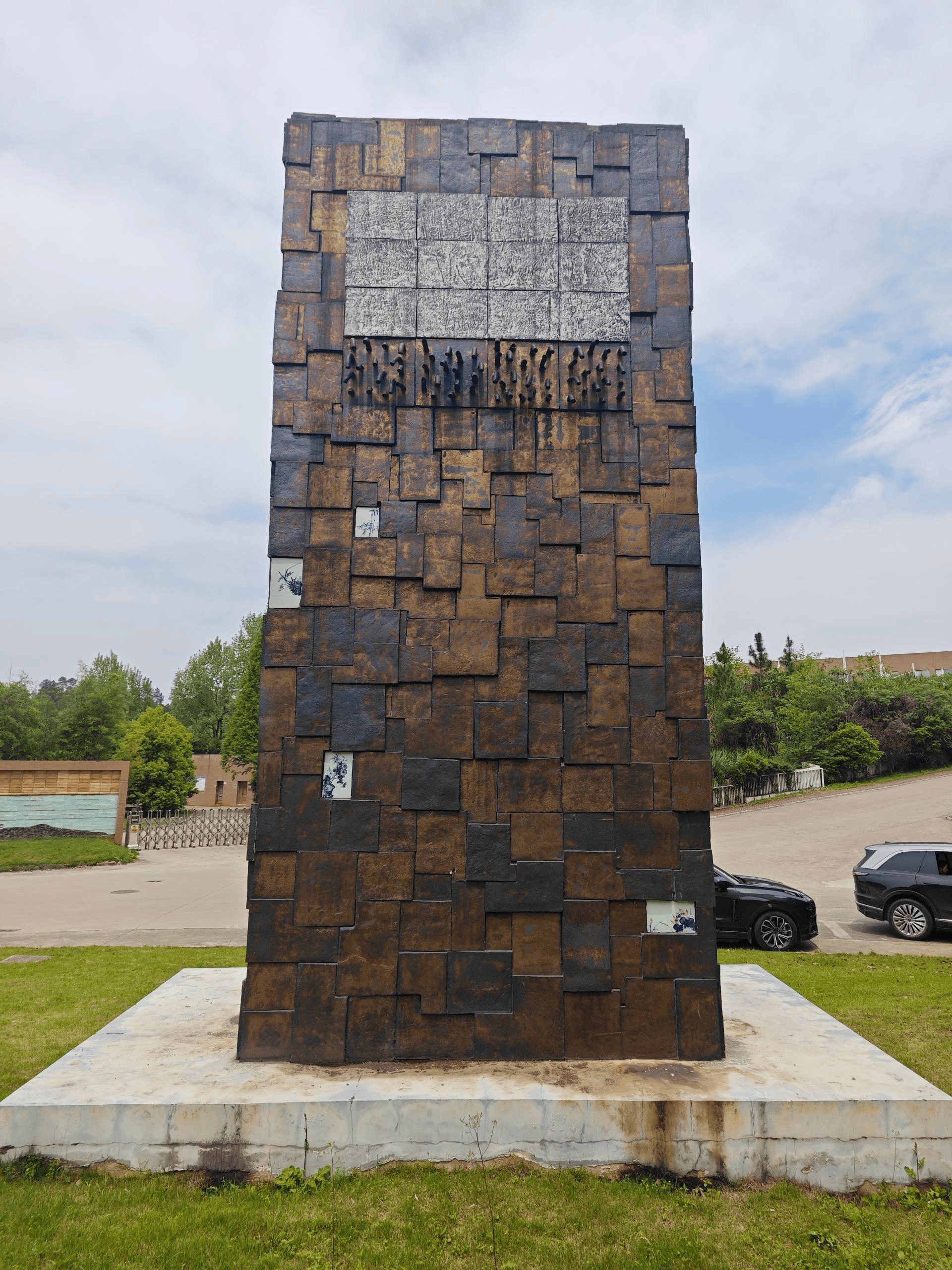
Terracotta figure symbolizes a outstanding medium version with a lengthy legacy, reaching back innumerable of years. From ancient holders to cutting-edge displays, the component offers unparalleled possibilities for creative representation. Builders work with distinct techniques – including fabricating, wheel shaping, and developed firing processes – to manufacture humble earth into captivating three-dimensional artifacts. The durability of fired clay also contributes to its status as a truly timeless part of human custom.
Exploring Porcelain Board Layouts and Strategies
The world of ceramic panel design offers a extensive array of expressive possibilities. Sculptors often employ a mixture of heritage-based and recent techniques to generate visually bold pieces. These can range from simple, sculpted reliefs to complex, multi-layered layouts. Standard methods include template molding, hand building, the glaze process – which can involve diverse modes like primary coloration, applying decoration after firing, and engraved motif where designs are brought out by peeling off a layer of varnish. Extra analysis into decorative coatings such as cold firing and shimmer glaze can bring about truly special and exclusive porcelain tablets.
- Form Casting - Constructing pieces using a pattern
- Sculpting by hand - Physically forming the clay
- Glaze Application - Smearing the layer with a glossy finish
- Incised pattern - Exposing designs by removing overlays
Engaging Experiences: Porcelain Art Displays
The evolving landscape of culture presents exciting contemporary avenues for observers, and ceramic art installations are at the leading edge of this development. These aren't just static creations; they are constructed to envelop the observer in a sensory space. Imagine navigating within a forest of towering, coated ceramic trees, or navigating a maze of sensitive ceramic vessels. Many craftsmen are now incorporating audio, luminescence, and even odor to enhance the sensation of their work. Visualize the power of a room filled with hundreds of meticulously ceramic items, each telling a fable. Commonly, such installations explore themes of wilderness, the past, and society.
- The aforementioned installations blur the lines between design and environment.
- Viewing a ceramic art installation can be a deeply meaningful journey.
- Artists are redefining the limits of what is doable with clay.
A Splendor of the Clay Receptacle: Use and Configuration
The earthenware holder represents a wonderful amalgamation of utility and decorative appeal. Historically, these vessels served a fundamental job in supporting objects, but their development has transformed them into highly valued works of creation. Each piece showcases the know-how of the craftsman, demonstrating how configuration can be as crucial as operation. The careful shaping, the exceptional glazes, and the holistic presence of a beautifully-crafted urn can boost a space, offering both beauty and a modest reminder of the designer’s hand.
Current Terracotta Design : Extending Edges
Latest brick art represents a fascinating change from customary practices. Builders are increasingly exploring with novel procedures, blurring the boundaries between artwork and distinct design spheres. From large installations to detailed miniature pieces, those works study themes of heritage while coincidingly remaking the very of what pottery can represent. The product is a lively arena of originative performance.
Terracotta Panel: Conserving Record in Stoneware
Porcelain plaques offer a exceptional method for noting significant events and beings. Distinguished from traditional metal or stone markers, these hardwearing pieces of production are formed from treated clay, creating a real link to the ceramic plaque preceding days. Habitually, they exhibit intricate etchings or carefully illustrated imagery, expressing stories that might otherwise be ignored. Such technique, traceable to ancient cultures, provides a beautiful and unfading way to acknowledge our collective story.
- These particular can be established in public spaces.
- A large number of are now acknowledged historical heirlooms.
Earthenware Art Displays: Transforming Sites
Stoneware art installations are developing a significant medium for builders to transform public and private spaces. These immersive pieces frequently involve considerable clay artifacts that involve viewers, shifting their awareness of the fabricated environment. By utilizing diverse tactics like hand fabrication and intricate firing tactics, ceramic artists develop truly remarkable experiences, overlapping the edges between art and location. The consequence is often a poignant conversion that enhances the creative quality of the location and cultivates interaction.
From Spindle to Marvel: The Practice of the Earthenware Receptacle
The journey of a earthenware receptacle from a simple lump of material to a finalized work of design is a testament to human resourcefulness. Conventionally, the process commences with the potter’s lathe, where the expert artisan forms the twisting mud into a cylindrical contour. This initial step demands skilfulness and a trained eye, followed by a delicate solidifying period. Once bisque-fired, the jar is ready for detail work, which may feature illustrating intricate patterns, sculpting detailed portraits, or applying a range of surfaces. The final curing process then evolves the piece into a durable and remarkable holder, a tangible demonstration of the maker's creativity.
Forming with Clay: A Overview to Stoneware Project
Delving the sphere of earthenware expression begins with recognizing the basics of modeling with stoneware. The aforementioned practice involves methodically assembling and carving elements to produce three-dimensional items. Regardless of you're a amateur or a veteran maker, trying with diverse varieties of stoneware – specifically pottery – will advance you locate your idiosyncratic style. Ultimately, ceramic pottery is a fulfilling adventure that unites practical expertise with imaginative interpretation.