Initiating
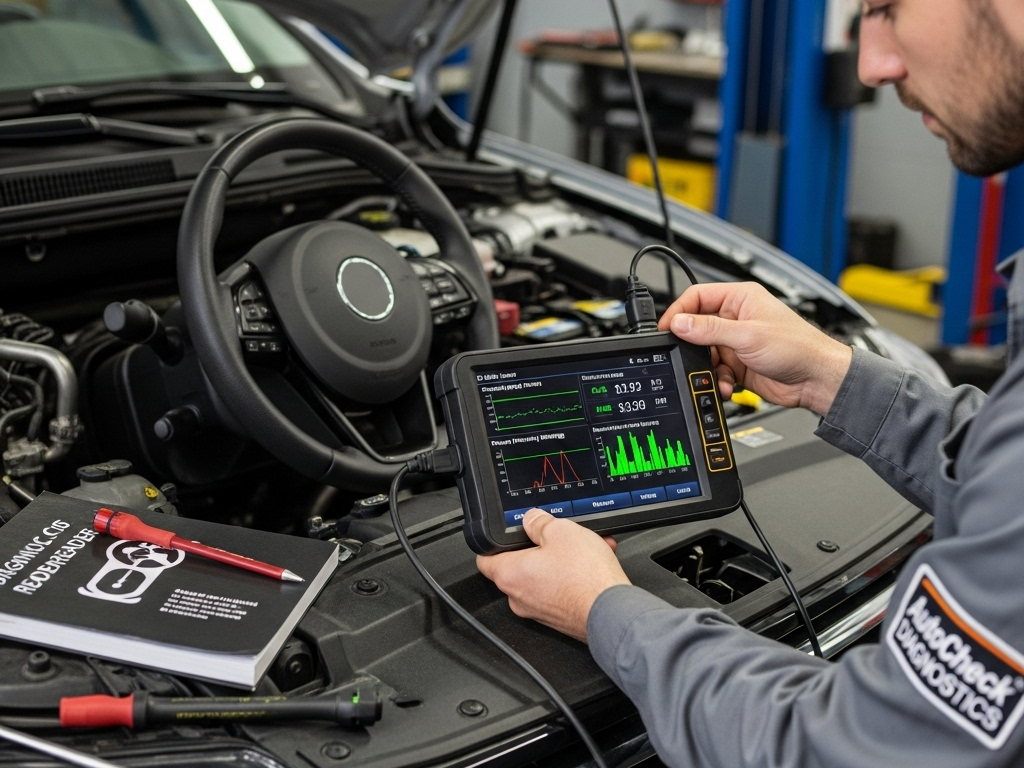
Entire mounting complexity within contemporary automobiles necessitates an entire in-depth insight of diagnostic apparatuses, chiefly touching on On-Board Diagnostics II (OBD2) and Tire Pressure Monitoring Modules (TPMS). Within Europe, Asia, and the US, these solutions execute using diverse frequencies. OBD2 specifications are largely coordinated globally, predominantly utilizing ISO 9141-50, KWP2000, CAN, and others, but regional executions can introduce minor discrepancies. TPMS, however, is where significant frequency variations arise. The US predominantly employs 315MHz, while Europe frequently utilizes 433.92MHz, and Asia exposes a more varied range including both frequencies and extra bands. Hence, accurate diagnostic technology must be loaded with the competence to process these countless frequencies to promote effective diagnosis and maintenance.
Deciphering TPMS Sensor Frequencies: A Global Guide (Europe, North America, Asia)
Apprehending rubber monitoring unit (TPMS) gauge signals throughout the world shows itself as tricky. Normally, North countries principally utilize 315 MHz, whereas some updated vehicles utilize 433 MHz. On the other hand, Europe and most of Asia mostly behave on the 433 MHz waveband, with some local variations emerging expressly in specific Asian zones. Thus, vital to ascertain the right frequency preliminary to buying TPMS readers to confirm compatibility and skip possible troubles.
Electric Vehicle Scanners: OBD2 Compatibility and TPMS Integration
Current battery-powered ride readers are increasingly absorbing vital functionality, chiefly related to both accepted On-Board Diagnostics II (OBD2) integration and Tire Pressure Monitoring System (TPMS) connection. Several green vehicles utilize OBD2 ports for collecting vital system statistics, letting technicians and users to identify prospective errors. Furthermore, integrated TPMS combination provides valid tire load outputs, contributing to heightened well-being and fuel effectiveness. This integration of OBD2 access and TPMS assistance illustrates a remarkable step in electronically powered ride troubleshooting.
TPMS Frequency Changes: European Region vs. The US vs. Far East - A Extensive Inspection
The sensors responsible for observing tire volume—TPMS—operate on particular radio ranges, leading to notable regional distinctions. America predominantly utilizes 315 MHz, though some late-model vehicles are converting to 433 MHz. European Union mandates 433.92 MHz, a specific frequency to guarantee consistency across regions. Eastern Asia exhibits a complicated landscape, with specific zones using 315 MHz, others 433 MHz, and still different nations employing a composite of both. This difference leads to challenges for auto shops and transportation users when dealing with replacement TPMS sensors or diagnostic equipment, necessitating careful verification of regional specifications to avoid compatibility issues and assure proper serviceability of the TPMS.
Auto Scanners for Battery-Powered Cars: Tire Pressure Monitoring System Assessment & Frequency Interpretation
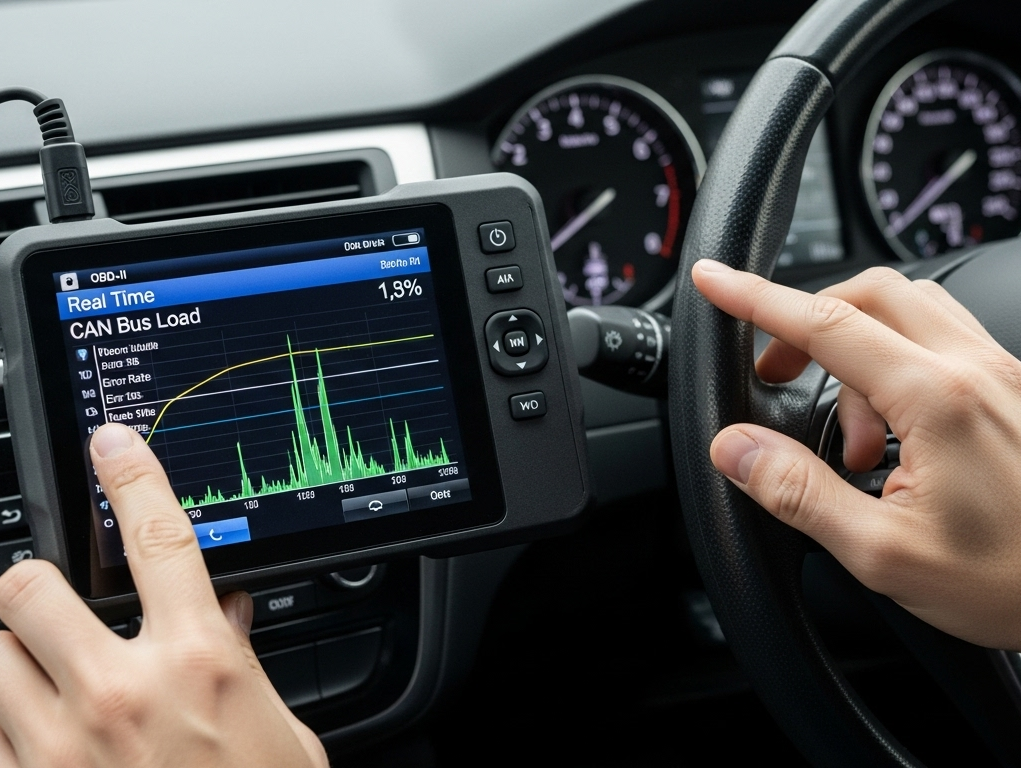
Modern OBD2 investigators are constantly advancing to serve voltage-driven rides, notably concerning tire information analysis. Unlike internal combustion engine engines, zero-emission cars present specialized obstacles when it comes to tire surveillance evaluation. Many electric autos use different tyre surveillance systems spectra requiring the reader to accurately understand the channel in use. This capability allows experts to merely read inflation levels but also identify the precise channel being radiated by the TPMS modules, helping in accurate inspection of issues.
The US TPMS Radio Waves: What Want to Comprehend?
Understanding the world of auto TPMS can be a puzzle, primarily due to the varying waves utilized across Western Europe, Asia, and the United States. The EU’s vehicles predominantly use 433.92 MHz, while Asian countries employ 315 MHz and 433.92 MHz, creating a challenging situation for professionals. In the US, both 315 MHz and 433.92 MHz are popular, with 315 MHz being more popular. Thus, understanding these regional variations is required for accurately troubleshooting TPMS concerns and selecting the appropriate programming tools.
Progressing a Core Principles: On-Board Diagnostics II, Energy-Powered Vehicles, along with TPMS Detector Bandwidth Recognition
Concerning advanced automobile professionals, simply comprehending certain fundamentals pertaining to motor vehicle inspection, EV motor vehicle mechanisms, and tire surveillance module frequency recognition indicates particular important further degree. The latter fields penetrate beyond initial approaches, necessitating specific devices together with competency to precisely locate in addition to remedy tricky hurdles related wheel air, electric framework functionality, alongside propulsion system malfunction warnings. As well, effectively spotting TPMS sensor frequencies – which vary between different makes including categories – generally vital in smooth alignment.
Battery-Powered Vehicle Testing: Using OBD2 Scanners to Troubleshoot TPMS
Examining Tire Pressure Monitoring Systems tire sensor networks in electric vehicles electrified transports often calls for more than only visual inspection. Modern OBD2 diagnostic tools offer a ability to extract TPMS data and locate potential glitches. Utilizing these tools, technicians can interpret fault codes, check sensor reliability, and even implement sensor inspections, allowing for precise diagnosis of tire monitoring errors and minimizing repair time. The aforementioned is especially significant given the rising complexity of EV electronics.
Interpreting Tire Pressure Monitoring Systems Waves: A User's Tutorial for Eurozone, the East, and North America
Skillfully handling TPMS across European Union, the East, and North America entails a in-depth familiarity of the different signal bands they work with. Differing from a uniform system, different zones typically observes specific spectrum allocations. Example being Continental Europe principally employs 315 MHz and over-the-air verification 433 million nine hundred twenty kHz, while United States and Canada normally uses 315 MHz range though several fresh models may hold 433.92 MHz. Asia-Pacific reveals a more fragmented context, with multiple frequency bands engaged, depending on the state and machine builder.
- Think about regional policies regarding signal range.
- Refer to your owner's handbook for explicit signal.
- Utilize a monitoring device specialized in evaluating several signals.