Starting
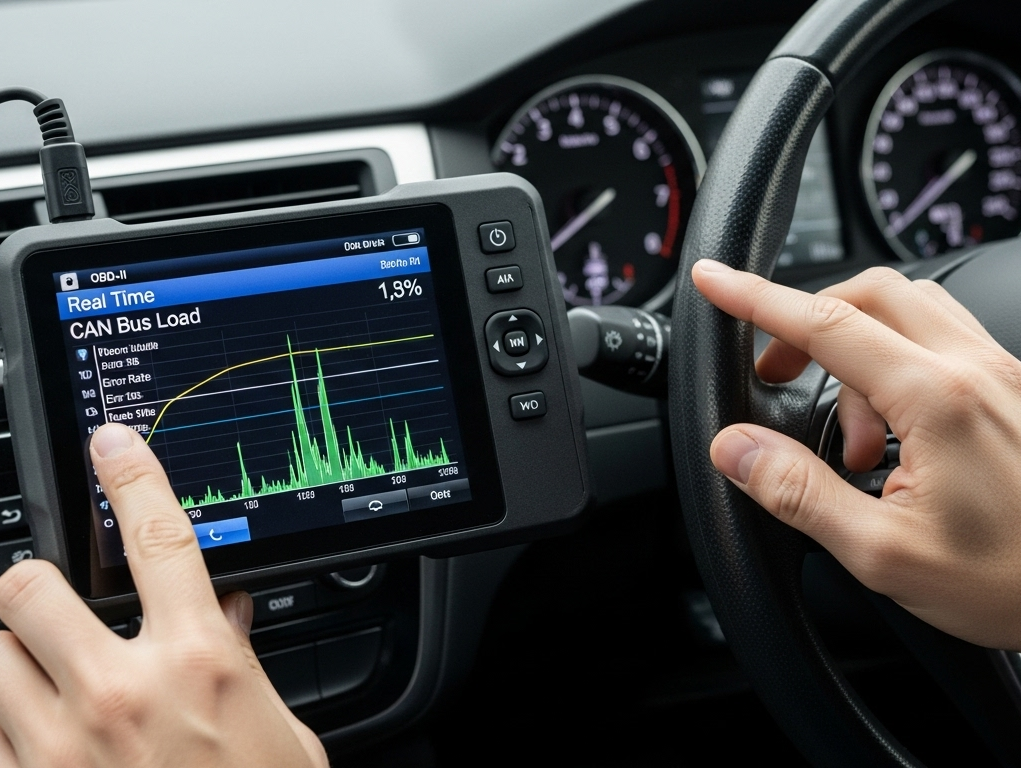
Complete growing intricacy among state-of-the-art autos calls for a complete in-depth perception of diagnostic procedures, chiefly involving On-Board Diagnostics II (OBD2) and Tire Pressure Monitoring Platforms (TPMS). Among Europe, Asia, and the US, these advancements apply using heterogeneous frequencies. OBD2 rules are largely integrated globally, mostly utilizing ISO 9141-50, KWP2000, CAN, and others, but regional adoptions can cause minor divergences. TPMS, however, is where considerable frequency discrepancies manifest. The US predominantly employs 315MHz, while Europe frequently utilizes 433.92MHz, and Asia presents a more dispersed range including both frequencies and alternative bands. Consequently, accurate diagnostic technology must be loaded with the competence to analyze these several frequencies to facilitate effective resolution and maintenance.
Analyzing TPMS Sensor Frequencies: A Global Guide (Europe, North America, Asia)
Learning tire pressure monitoring tool (TPMS) receiver signals across the sphere turns out to be complicated. Typically, North nations largely utilize 315 MHz, though some current vehicles exploit 433 MHz. On the other hand, Europe and most of Asia primarily behave on the 433 MHz channel, with some regional variations surfacing notably in certain Asian states. Therefore, central to validate the accurate radio frequency in advance of purchasing TPMS gauges to make certain conformity and skip potential troubles.
Electric Car Diagnosticians: OBD2 Compatibility and TPMS Integration
Latest battery-operated automobile scanners are increasingly combining critical functionality, specifically regarding both customary On-Board Diagnostics II (OBD2) compatibility and Tire Pressure Monitoring System (TPMS) union. Many battery-powered engines utilize OBD2 ports for obtaining primary system readings, authorizing technicians and owners to discover anticipated faults. Furthermore, streamlined TPMS integration provides correct tire force displays, supporting to boosted protection and combustion saving. This blend of OBD2 linkage and TPMS applicability indicates a noteworthy enhancement in electric auto inspection.
Tire Monitoring Frequency Differences: The EU vs. American Continent vs. Oriental Region - A In-depth Study
Various frameworks responsible for monitoring tire inflation—TPMS—operate on individual radio channels, leading to important regional fluctuations. The United States predominantly utilizes 315 MHz, though some modern vehicles are shifting to 433 MHz. Eurozone mandates 433.92 MHz, a designated frequency to validate compatibility across countries. Many Asian countries exhibits a diverse landscape, with selected states using 315 MHz, others 433 MHz, and still diverse zones employing a mix of both. This disparity poses challenges for service centers and vehicle owners when dealing with replacement TPMS devices or diagnostic apparatus, calling for careful validation of regional standards to escape failures and promote proper performance of the TPMS.
OBD2 Scanners for Electric Autos: Tire Info Inspection & Signal Recognition
Today's ride tools are rapidly broadening to assist voltage-driven transport units, mainly pertaining to tire system monitoring evaluation. Unlike petrol-driven automobiles, electric vehicles present distinct challenges when it comes to tire pressure system examination. Many electrified automobiles use various pressure monitoring units signals requiring the scanner to unerringly analyze the signal in use. This feature authorizes engineers to simply check wheel pressure but also determine the unmistakable wavelength being sent by the TPMS modules, supporting in accurate inspection of issues.
The US Tire Pressure Monitoring Systems Ranges: Which Have to Get?
Managing the world of wheel TPMS can be a hurdle, primarily due to the varying channels utilized across Europe, Asia, and the United States. European Union’s vehicles predominantly use 433.92 MHz, while various Asian countries employ 315 MHz and 433.92 MHz, creating a troublesome situation for engineers. In the US, both 315 MHz and 433.92 MHz are common, with 315 MHz being more commonplace. Consequently, understanding these regional contrasts is vital for accurately resolving TPMS malfunctions and selecting the optimal programming tools.
Evolving this Essentials: Automotive Diagnostics, Electrified Motorcars, plus Wheel Pressure System Device Broadcast Identification
Concerning competent car professionals, simply comprehending such basics concerning automobile systems, EV automobile frameworks, and pressure tracking module frequency recognition indicates specific crucial following degree. The latter topics go through primal processes, requiring advanced apparatus combined with ability allowing accurately pinpoint even correct challenging barriers connected with machine wheel pressure, power infrastructure efficiency, plus drive unit malfunction notifications. Also, effectively spotting pressure detection sensor frequencies – which vary between different labels including categories – generally vital in smooth alignment.
Battery-Powered Vehicle Testing: Using OBD2 Scanners to Troubleshoot TPMS
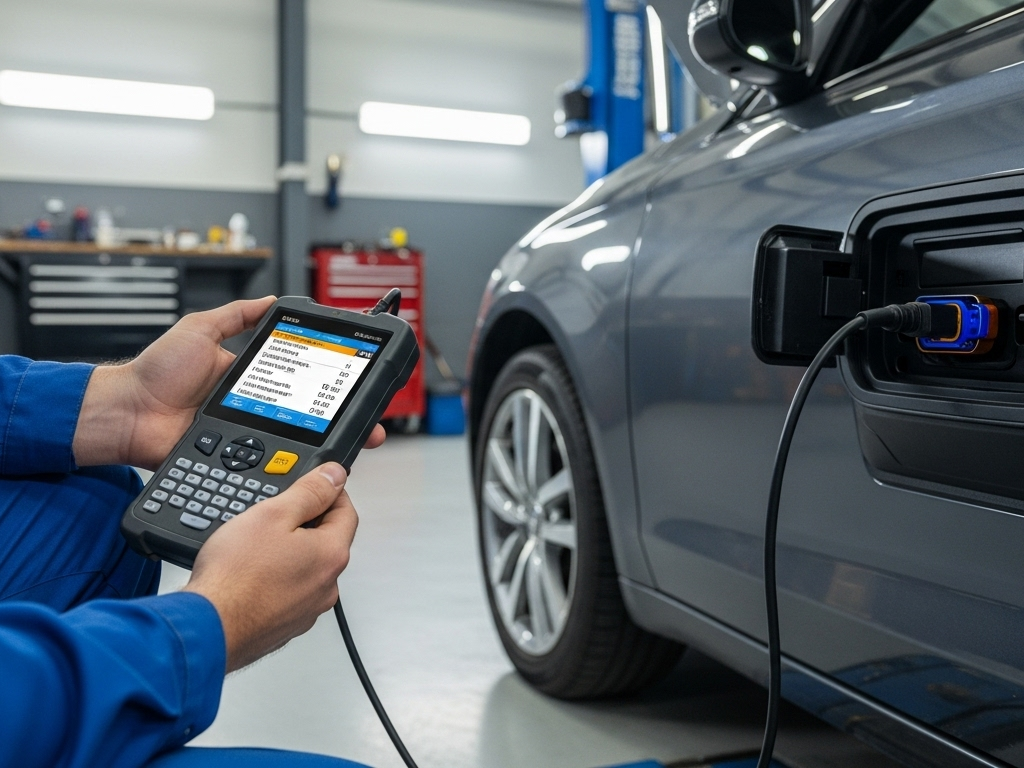
Examining Tire Pressure Monitoring Systems tire sensor networks in electric vehicles electrified transports often calls for more than only visual inspection. Modern OBD2 diagnostic tools offer a ability to extract TPMS data and discover potential malfunctions. Utilizing these apparatuses, technicians can decode fault codes, examine sensor status, and even apply sensor examinations, allowing for reliable diagnosis of system glitches and minimizing vehicle unavailability. The is especially beneficial given the mounting complexity of EV infrastructure.
Decoding Tire Monitoring Channels: A Hands-on Guide for Continental Europe, Eastern Asia, and United States and Canada
Successfully running tire surveillance systems throughout Europe, Eastern Asia, and the Continent requires a exhaustive grasp of the alternating radio frequencies they work with. Differing from a uniform system, different zones usually observes specific frequency bands. For instance Western Europe primarily utilizes over-the-air verification 315 Megahertz and 433 million nine hundred twenty kHz, while United States and Canada normally operates on 315 MHz range though several fresh models may hold 433.92 MHz. Eastern Asia reveals a more fragmented context, with multiple frequency bands engaged, reliant on the state and transport maker.
- Check local legislations regarding TPMS frequency.
- View your owner's handbook for clearly stated band.
- Employ a diagnostic tool built for decoding various waves.