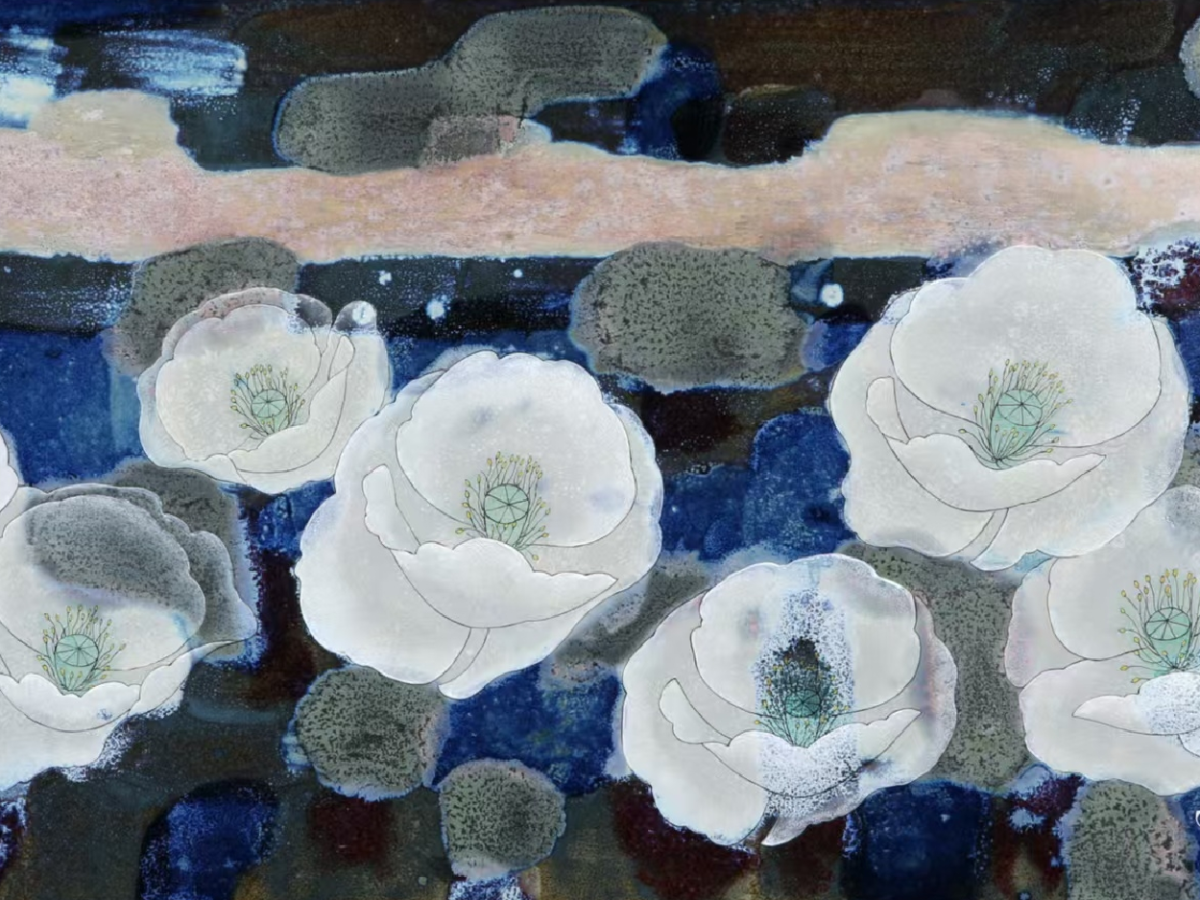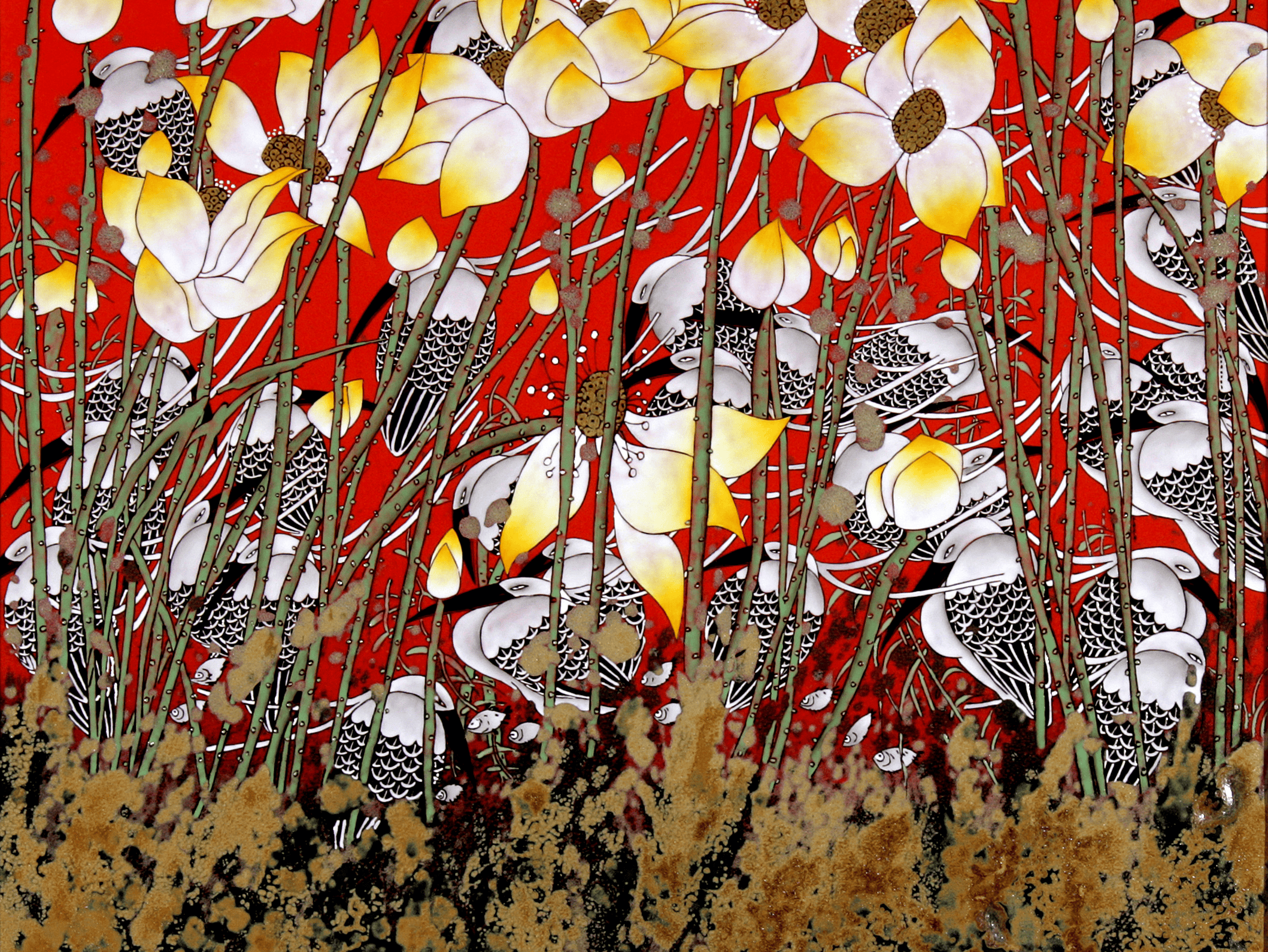
Terracotta model constitutes a extraordinary expression style with a enduring history, spanning back innumerable of years. From ancient receptacles to present-day installations, the substance offers unique possibilities for creative manifestation. Artisans practice various techniques – including modeling, wheel rotating, and elevated firing processes – to manufacture humble earth into stunning three-dimensional sculptures. The robustness of fired pottery also contributes to its status as a truly important part of human civilization.
Studying Clay Plaque Patterns and Approaches
The sphere of ceramic sign design offers a sizable array of innovative possibilities. Crafters often explore a blend of classic and new techniques to form visually eye-catching pieces. These can cover from simple, etched reliefs to complex, multi-layered formulations. Typical methods include pattern casting, forming by hand, the glaze process – which can involve diverse modes like primary coloration, post-firing embellishment, and engraved motif where designs are disclosed by abrading a layer of finish. More investigation into outer appearances such as raku and lustering can produce truly unique and bespoken terracotta signs.
- Pattern Casting - Constructing pieces using a pattern
- Sculpting by hand - Directly shaping the terracotta
- Surface Finishing - Layering the face with a vitreous finish
- Incised pattern - Exposing designs by scraping covers
Enveloping Experiences: Earthenware Art Installations
The progressing landscape of design presents exciting innovative avenues for viewers, and ceramic art installations are at the apex of this wave. These aren't just static sculptures; they are engineered to envelop the onlooker in a sensory environment. Imagine navigating within a forest of towering, coated ceramic trees, or navigating a labyrinth of detailed ceramic vessels. Many makers are now incorporating harmonies, lighting, and even fragrance to enhance the mood of their work. Picture the power of a room filled with hundreds of expertly ceramic works, each telling a story. Usually, such installations investigate themes of wilderness, the past, and society.
- Those installations blur the thresholds between work and venue.
- Observing a ceramic art installation can be a deeply transformative journey.
- Makers are transporting the constraints of what is accomplishable with clay.
That Radiance of the Earthenware Receptacle: Purpose and Outline
The ceramic jar represents a distinctive fusion of applicability and aesthetic appeal. Historically, these urns served a elementary task in maintaining flowers, but their transformation has transformed them into highly valued works of handiwork. Each item showcases the proficiency of the creator, demonstrating how shape can be as essential as service. The deliberate shaping, the exceptional glazes, and the holistic presence of a well-made container can lift a space, offering both allure and a quiet reminder of the manual hand.
Latest Brick Art : Expanding Thresholds
State-of-the-art ceramic form represents a fascinating change from established practices. Sculptors are enthusiastically innovating with different processes, dissolving the frontiers between design and different artistic mediums. From expansive installations to fine miniature pieces, those works study themes of heritage while coincidingly recasting the foundational of what brick can be. The resulting is a vibrant field of artistic design.
Clay Tablet: Safeguarding Heritage in Ceramic
Pottery plaques offer a unique method for documenting significant events and people. Unlike traditional metal or stone markers, these enduring pieces of production are formed from treated clay, creating a real link to the preceding days. Generally, they present intricate embossments or vividly colored imagery, communicating stories that might otherwise be disregarded. These technique, ceramic plaque traceable to ancient societies, provides a captivating and enduring way to remember our collective heritage.
- These particular can be installed in accessible spaces.
- A large number of are now accepted historical valuables.
Terracotta Art Arrangements: Reimagining Settings
Terracotta art installations are surfacing a impactful medium for creators to reimagine public and private sites. These immersive artworks frequently involve monumental clay designs that absorb viewers, influencing their perception of the assembled environment. By employing diverse tactics like hand fabrication and intricate firing tactics, ceramic artists construct truly distinctive experiences, breaking down the divisions between work and setting. The outcome is often a strong shift that raises the stylistic quality of the space and promotes debate.
Commencement Wheel to Spectacle: The Craft of the Porcelain Vase
The journey of a stoneware vase from a simple lump of soil to a developed work of creation is a testament to human craftsmanship. Conventionally, the process commences with the potter’s lathe, where the masterful artisan molds the revolving terracotta into a cylindrical structure. This introductory phase demands sharpness and a disciplined eye, followed by a delicate firming period. Once rough-fired, the vessel is ready for ornamentation, which may comprise glazing intricate arrangements, incising detailed pictures, or adding a array of glazes. The last cooking process then turns the work into a durable and remarkable jar, a tangible example of the creator's commitment.
Modeling with Terracotta: A Primer to Ceramic Project
Delving the realm of earthenware expression begins with recognizing the basics of shaping with pottery. That means comprises carefully building and reducing matter to fashion three-dimensional creations. If you're a starter or a master practitioner, experimenting with various kinds of ceramic material – including terracotta – will aid you reveal your personal technique. Conclusively, stoneware modeling is a enriching path that fuses professional proficiency with original communication.