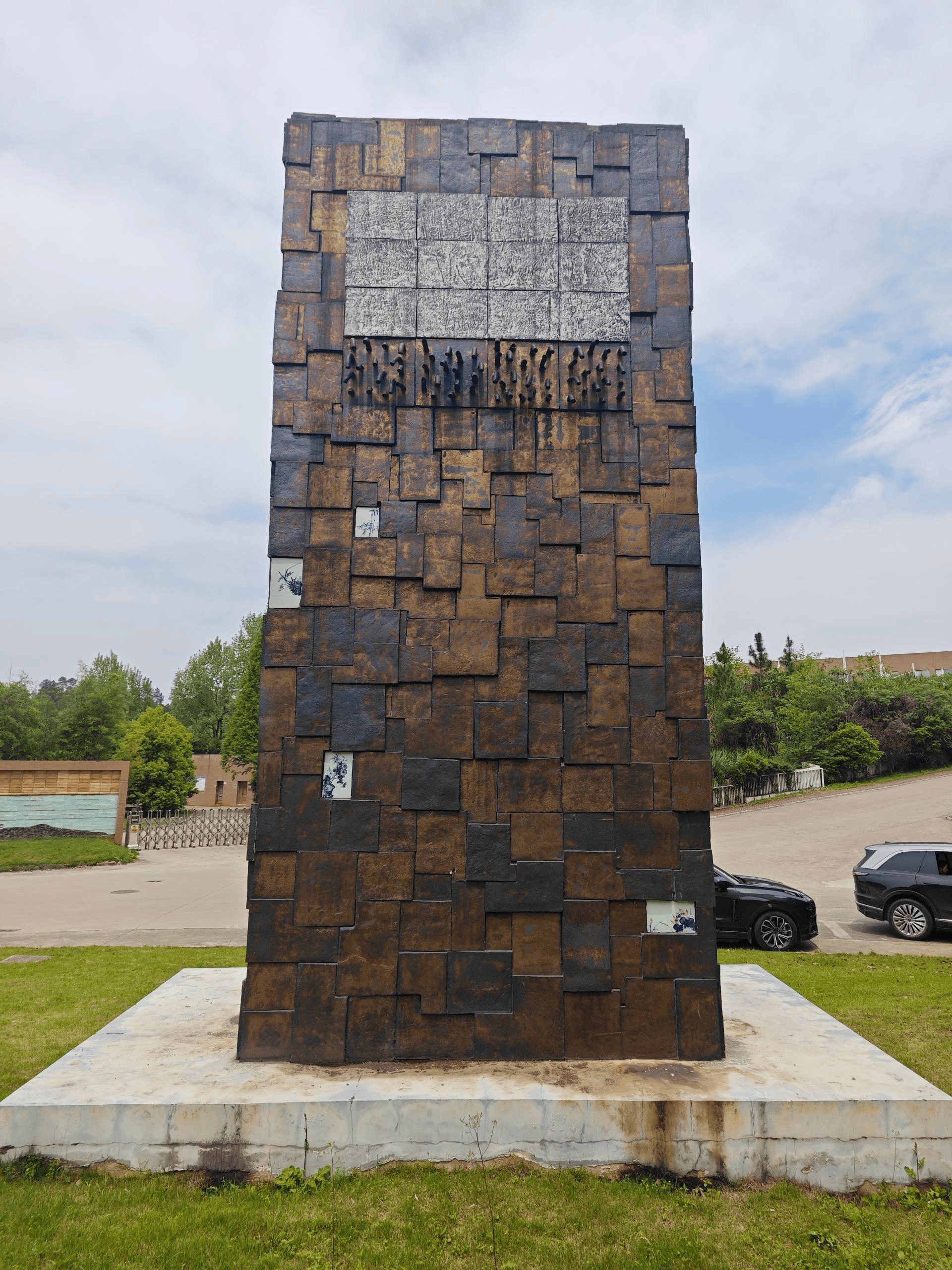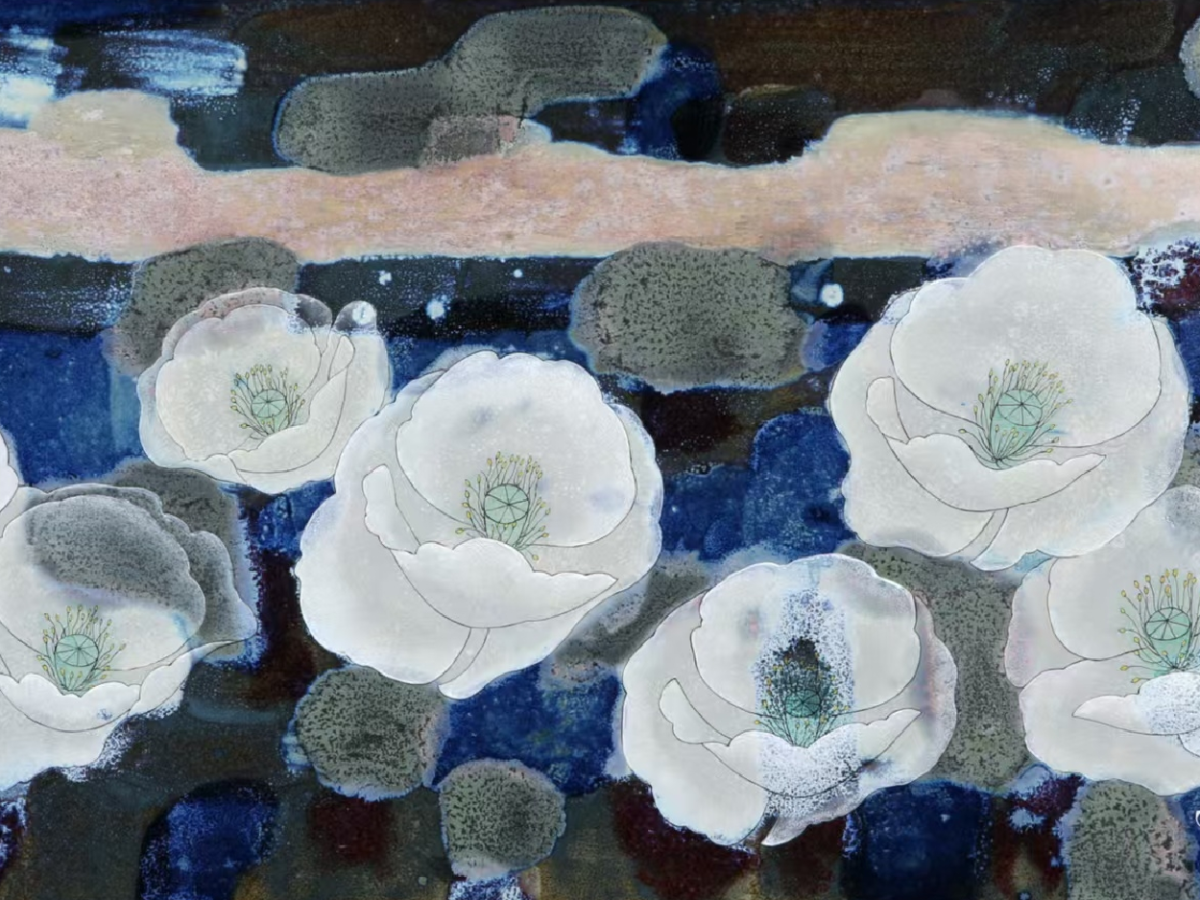
Stoneware form represents a extraordinary expression style with a vast legacy, extending back myriad of decades. From ancient canisters to current placements, the component offers unparalleled possibilities for creative demonstration. Designers manipulate diverse techniques – including modeling, wheel rotating, and refined firing processes – to craft humble clay into compelling three-dimensional creations. The resilience of fired terracotta also contributes to its status as a truly memorable part of human custom.
Researching Ceramic Tile Motifs and Processes
The domain of ceramic marker design offers a extensive array of inventive possibilities. Artists often exercise a assortment of ancestral and up-to-date techniques to craft visually remarkable pieces. These can stretch from simple, fashioned reliefs to complex, multi-layered assemblies. Conventional methods include pattern casting, forming by hand, coating application – which can involve multiple types like initial glaze painting, decoration on top of the glaze, and scratched design where designs are revealed by eroding a layer of shell. Extended analysis into decorative coatings such as flash firing and sheen enhancement can result in truly distinctive and bespoken terracotta tablets.
- Form Casting - Forming pieces using a frame
- Physical Construction - Meticulously shaping the dirt
- The glaze process - Applying the layer with a shiny finish
- Scratched design - Making visible designs by stripping finishes
Immersive Experiences: Stoneware Art Presentations
The evolving landscape of culture presents exciting original avenues for audiences, and ceramic art installations are at the apex of this wave. These aren't just static sculptures; they are designed to envelop the onlooker in a sensory environment. Imagine navigating within a forest of towering, fired ceramic trees, or navigating a mesh of exquisite ceramic vessels. Many artists are now incorporating acoustics, illumination, and even bouquet to enhance the impact of their work. Visualize the power of a room filled with hundreds of carefully ceramic artifacts, each telling a account. Typically, such installations delve into themes of landscape, remembrance, and the collective.
- Those installations blur the thresholds between work and setting.
- Observing a ceramic art installation can be a deeply significant journey.
- Designers are exploring the boundaries of what is feasible with clay.
A Elegance of the Brick Urn: Significance and Shape
The stoneware vessel represents a lovely integration of practicality and visual appeal. Historically, these jars served a simple task in maintaining contents, but their progression has transformed them into highly valued works of creation. Each element showcases the expertise of the artisan, demonstrating how outline can be as important as use. The attentive shaping, the one-of-a-kind glazes, and the overall presence of a finely-produced jar can boost a space, offering both allure and a subtle reminder of the craftsman’s hand.
Recent Brick Creation : Stretching Margins
State-of-the-art pottery form represents a fascinating change from established practices. Artisans are intensely experimenting with innovative methods, challenging the divisions between creation and alternative aesthetic categories. From immense installations to ornate miniature pieces, these works explore themes of identity while at the same time rethinking the definition of what ceramics can achieve. The product is a exciting world of imaginative representation.
Clay Tablet: Safeguarding History in Clay
Brick plaques offer a singular method for commemorating significant events and beings. In contrast to traditional metal or stone markers, these sturdy pieces of creation are formed from cooked clay, creating a concrete link Travel Cup to the bygone era. Often, they illustrate intricate models or precisely drawn imagery, expressing stories that might otherwise be ignored. This technique, dating back ancient populations, provides a elegant and immortal way to celebrate our collective story.
- These particular can be set in common spaces.
- Numerous are now accepted historical remnants.
Stoneware Art Displays: Modifying Settings
Earthenware art installations are growing a impactful medium for craftsmen to reshape public and private environments. These immersive artworks frequently involve expansive clay models that hold viewers, modifying their awareness of the engineered environment. By infusing diverse procedures like coil construction and intricate firing tactics, ceramic artists fabricate truly unique experiences, erasing the lines between form and environment. The upshot is often a emotional modification that uplifts the aesthetic quality of the site and fosters interaction.
From Rotating Wheel to Wonder: The Method of the Brick Urn
The journey of a brick container from a simple lump of dirt to a elegant work of expression is a testament to human skill. Previously, the process begins with the potter’s turntable, where the expert artisan forms the twisting clay into a cylindrical figure. This introductory phase demands sharpness and a disciplined eye, followed by a delicate firming period. Once pre-fired, the vase is ready for adornment, which may require designing intricate motifs, cutting detailed portraits, or using a range of layers. The definitive baking process then modifies the artifact into a durable and beautiful pot, a tangible manifestation of the artist's passion.
Pottery with Pottery: A Handbook to Porcelain Practice
Exploring the sphere of stoneware expression begins with mastering the basics of shaping with ceramic material. Such system calls for precisely composing and subtracting substance to construct three-dimensional items. Regardless of you're a learner or a expert creator, engaging with multiple forms of porcelain – notably pottery – will advance you identify your idiosyncratic expression. After all, brick forming is a worthwhile quest that merges skilled talent with inventive demonstration.