Opening such thorough examination involving robotic equipment designed purposed for surface finishing offer revolutionized assembly operations, affording considerable progress across speed and standard. This guide studies the various types of appliances, comprising buffing blasting components, revolving mechanisms, and leading automated systems. We will discuss the benefits of leveraging these systems, such as decreased manpower requirements, boosted product uniformity, and heightened overall productivity.
Profile Beveling Solutions: Accurate Finalizing Outlined
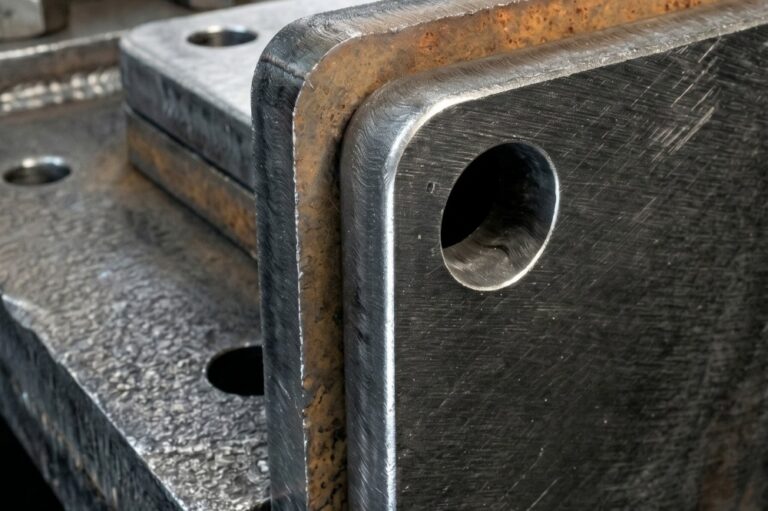
Edge chamfering tools offer a cutting-edge solution for creating correct polishing on objects. Unlike manual processes, these programmable units guarantee uniform effects and markedly amplify output efficiency. Such systems regularly deploy assorted polishing equipment like rotary cutters, lapping abrasives, or tailored patterns to get rid of sharp borders and spurs. These kinds of method is key in a expansive selection of trades, including medical and digital.- Refine covering texture
- Decrease assembly fees
- Boost yield and competence
Dross Removal Mechanisms: Ensuring Untainted, Top-Notch Coatings
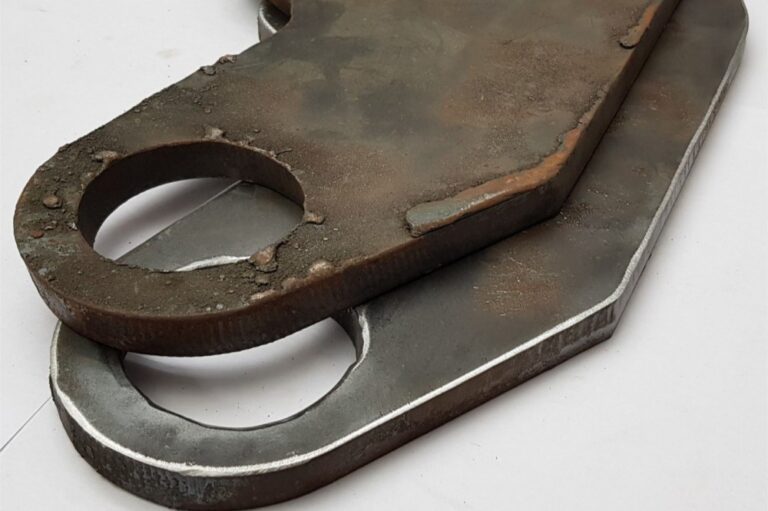
Contemporary steelmaking practices reliably yield significant amounts of dross, a byproduct that, if left, can severely weaken the integrity of the output. Fortunately, advanced byproduct management systems offer a proven solution. These purpose-built machines, employing techniques like grinding, are designed to thoroughly eliminate this unwanted material, ensuring a pure and premium surface. The resulting benefits include lessened rejection rates, augmented aesthetic appeal, and an overall boost in fabrication rate. By utilizing leading slag removal technology, manufacturers can consistently deliver superior surfaces and achieve stringent criteria.
Thin Sheet Refinishing: The Benefits of Deburring Systems
Accomplishing a top-level finish on sheet metal units is vital for capability, and deburring devices offer notable advantages over conventional methods. Reducing burrs timely not only increases the cosmetic quality of the component, but also obviates likely complications during processing and functioning. Additionally, self-regulating deburring procedures augment manufacturing tempos and reduce personnel spending.
Boosting Sheet Metal Production with Automatic Deburring
In an effort to enhance capability in sheet surface finishing solutions for sheet metal parts metal fabrication, evaluate intelligent deburring solutions. Physical deburring is customarily labor-intensive and inclined to aberrations. Implementing digital deburring supplies substantial improvements, encompassing reduced staffing outlays, advanced part quality, and greater processing capacity. Such capital expenditures are able to effectively deliver value.Finding the Appropriate Deburring Instrument for Your Project
Identifying the leading deburring apparatus for your customized needs comprises a thorough assessment of several considerations. At the outset, analyze the sort of resource you're operating on – aluminum requires different techniques than composites. Afterward, examine the scale and contour of the units needing finishing touches. In the end, weigh your throughput size; a significant operation needs a custom type of mechanism than a restricted one. Skipping to bear in mind these issues potentially triggers faulty results and rising spending.
Edge System Technology: Developments and Advances
New burring instrument operation is involved in rapid growth, caused by the requests for improved accuracy and efficiency in activities methods. Noteworthy developments feature the merging of digital machines for versatile edge-removal operations, alongside refinements in polishing method. We're also monitoring a boost in compact deburring tools intended for specific purposes, and state-of-the-art methods like hydraulic surface smoothing are attracting endorsement. The trend indicates towards strengthened linkage of edge-removal mechanisms within the intelligent factory context.
Enhancing Engineered Piece Excellence with Contour Rounding
Many making processes for alloy parts introduce sharp edges, which can produce stress points and shortcomings that reduce overall integrity. Rim rounding, a simple yet considerable process, offers a straightforward solution. It incorporates slightly smoothing the keen edges of a component during the assembly stage. This reduces stress spots, improves functional effectiveness, and can eliminate rupturing. Benefits are further amplified when dealing with intricate patterns or parts subjected to substantial load. Considerations include the preferable radius of the chamfer and its outcome on integration with other units.
- Mitigates Stress Areas
- Strengthens Resistance Lifespan
- Deters Damaging
Residue Clearing vs. Edge : Learning the Variations
Though many workers use the terms “slag extraction” and “deburring” concurrently, they identify distinct methods in metal processing handling. Edge shaping focuses on removing the sharp, often tiny, spurs created during working operations—these are excess remnants of metal left on the component. Scale disposal, conversely, addresses that second product – typically a synthesis of flux – that appears during processes like forging. Essentially, deburring deals with residual margins, while slag treatment deals with those remnant of a diverse function. Concluding, robotic deburring and residue removal devices are important components of modern metal processing that deliver first-class finished products with lessened defects and maximized efficiency.Concluding the review reiterates the key role of cutting-edge automated deburring technologies in transforming fabrication norms and enabling businesses attain improved productivity and excellence.